Cities today are changing at a pace that feels faster than ever, especially when it comes to how people move from place to place. There are more lane markings, more designated paths, and more types of personal vehicles mixed in with traditional traffic. The rise in new transportation choices has a lot to do with shifting lifestyles. Many riders want options that feel practical, flexible, and easier to manage than owning and maintaining a full-size car. At the same time, commuting habits continue to shift as people work from different locations, travel shorter distances, or split their time between home and the office.
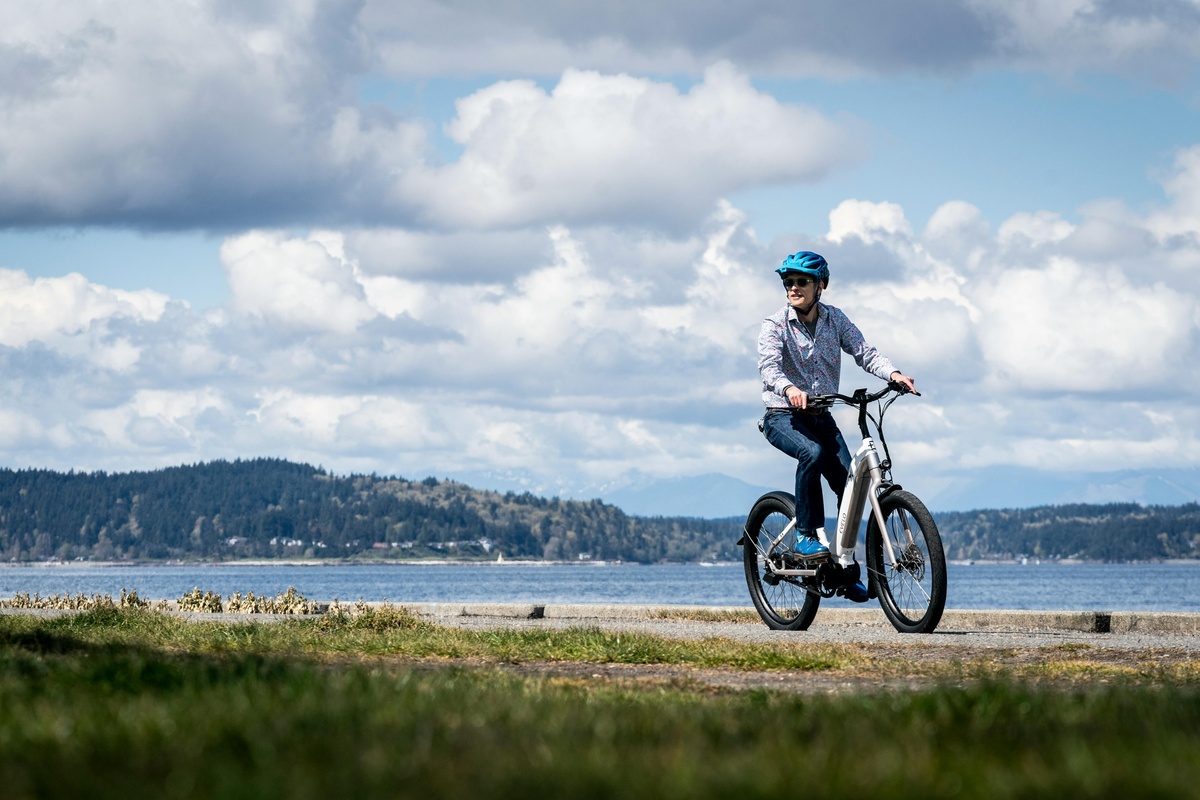
Another part of this change comes from the growing interest in simple, accessible personal transportation. More riders want something they can use for daily errands, short commutes, and quick trips across town without dealing with heavy traffic or parking hassles. This growing interest has led to big improvements in the design and features of compact vehicles. One of the clearest examples can be seen in the development of modern electric bikes, which now offer smoother rides, long battery life, and comfortable features that appeal to different riders.
In This Article:
The Rise of Alternative Personal Transportation Options
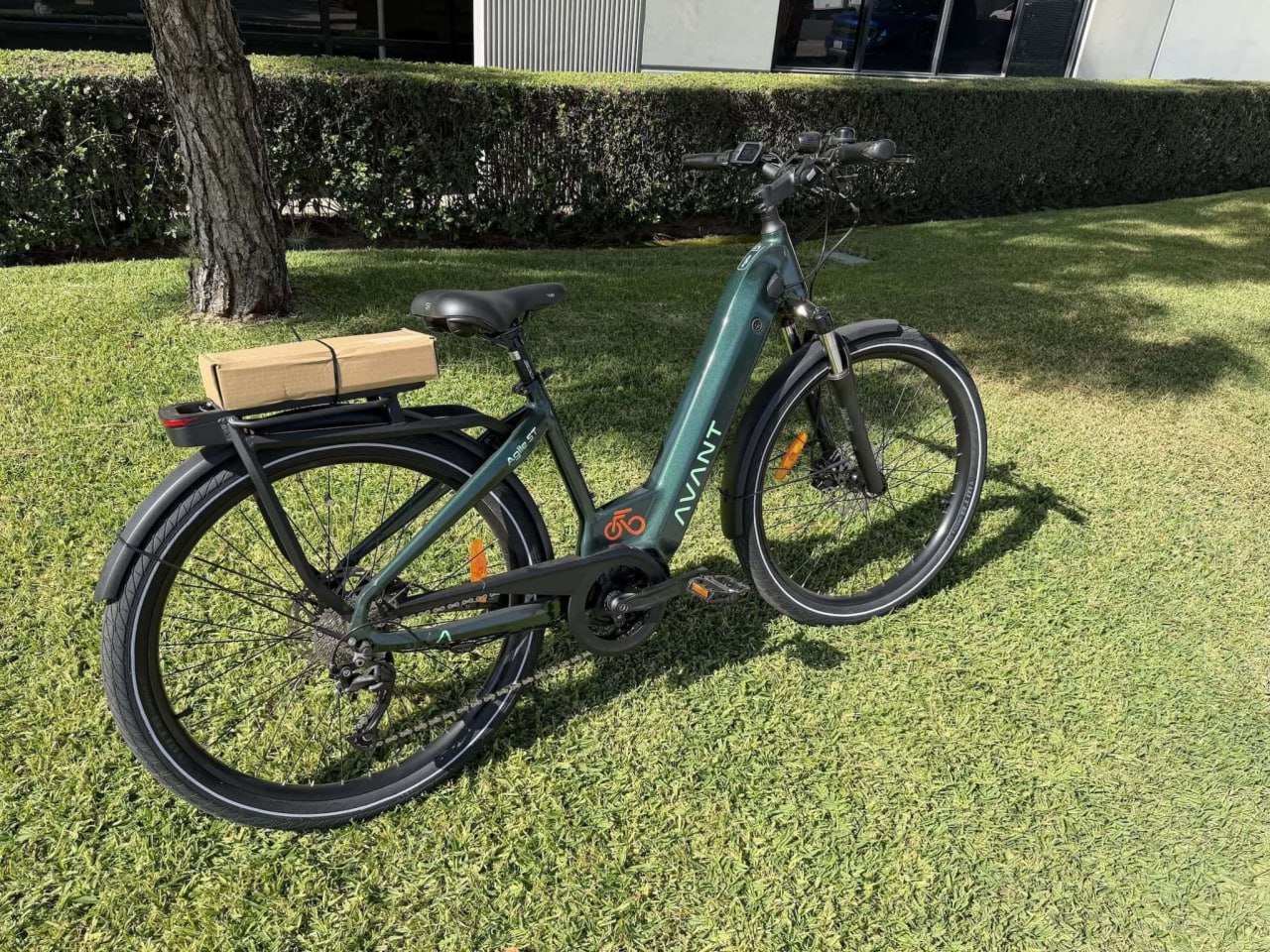
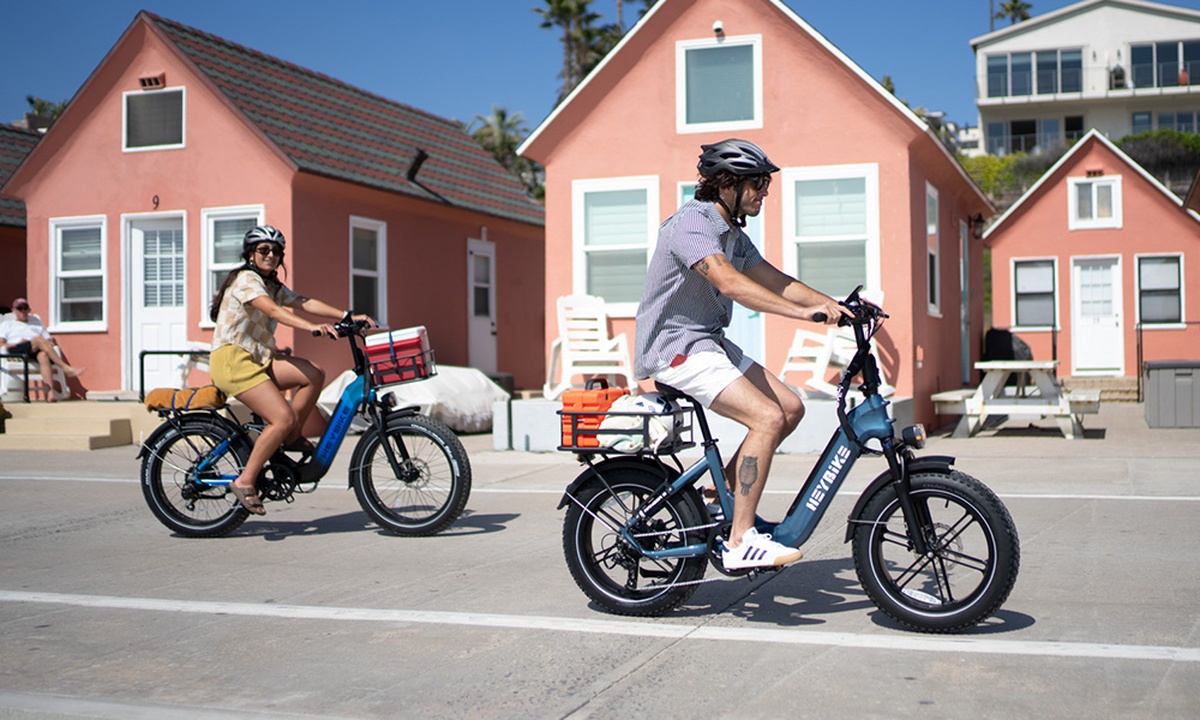
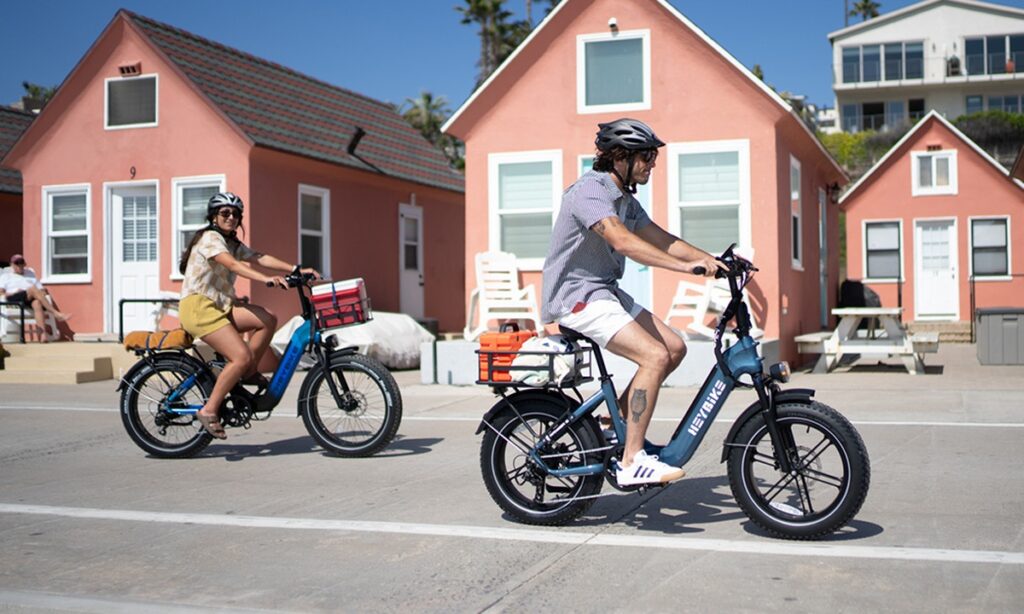
Over the past several years, cities have seen a steady increase in the number of smaller, lightweight transportation options on their streets. While cars, buses, and trains are still important, many riders are looking for additional ways to travel that fit their daily routines. This includes choices like scooters, upgraded bike systems, and small vehicle lanes that help people avoid heavy traffic. As these options become more common, riders are exploring new ways to get around that feel more convenient and manageable for everyday use. That’s one reason the modern electric bicycle has become a popular choice for city riders. Heybike offers models designed for comfort, long-range travel, and smooth riding on different surfaces. Their bikes include features like sturdy frames, reliable motors, and practical accessories that help riders move through the city with ease.
As more people choose smaller personal vehicles for commuting, city planners are paying closer attention to how these choices fit into busy streets. Riders want solutions that help them travel without stress, save time, and move through traffic more easily. The growth of compact transportation has led many cities to consider adding more bike lanes, shared paths, and roadside parking areas made for these vehicles. The goal is to create a safe and comfortable mix of transportation options that support different needs. As this trend continues, personal vehicles that offer convenience and ease of use will likely become an even larger part of everyday travel.
How Technology Shapes the Way People Travel
Modern transportation wouldn’t look the way it does today without the support of new technology. Many of the tools you already use, like navigation apps, real-time transit information, and digital payment systems, make travel more predictable and less stressful. Instead of waiting for a bus without knowing when it will arrive, you can now track its exact location on your phone. Instead of guessing which roads are backed up, you can check traffic maps instantly. These improvements help riders make smarter choices and plan their routes based on what works best at that moment.
Technology has also shaped how people choose personal vehicles. Improvements in battery life, motor strength, and overall design give riders more dependable options for traveling around the city. Even maintenance has become simpler thanks to better-built components and digital tools that help track performance. As these features continue to improve, riders will have even more confidence in choosing modern transportation options for daily use.
Public Transit Upgrades and Citywide Improvements
Public transit continues to play a major role in how cities function. Over the past few years, many systems have upgraded their fleets to offer cleaner, smoother rides and more reliable service. You’ve likely noticed that buses now use digital route screens, contactless payment terminals, and tools that make boarding easier. These upgrades help reduce delays and give riders a consistent experience. In many places, cities have added dedicated transit lanes to help buses move faster during peak hours.
Transit stations and waiting areas are also improving. Many cities focus on better lighting, clearer signage, and more comfortable waiting spaces to help riders feel more at ease. These upgrades make a difference, especially for people who rely on multiple types of transportation in a single trip. As these systems improve, more riders feel confident choosing public transit as part of their everyday routine.
How Shared Transportation Is Changing Daily Travel
Shared mobility has become a normal part of city life, giving riders flexible options that don’t require long-term commitment. Services like shared cars, scooters, and bike programs help fill the gaps where public transit doesn’t reach. If you live close to downtown or work in a busy urban center, you’ve probably seen docking stations, rental bikes, or designated pick-up zones. These systems help reduce traffic and give people easier ways to complete short-distance trips.
One of the benefits of shared transportation is its accessibility. You can use it when you need it without taking on the responsibilities of ownership. Many riders appreciate the freedom that comes from using different transportation methods depending on the day’s needs. For quick errands, a rental bike might be enough. For a longer trip, a shared car could be more practical. These flexible choices show how diverse transportation has become in today’s cities.
Urban Planning and the Move Toward Walkable Spaces
As cities grow, many planners are shifting their focus toward creating areas where people can move comfortably without relying on a car. Wide sidewalks, crosswalks, lighting, and dedicated paths help make streets safer for everyone. When cities invest in walkable design, it becomes easier for residents to use a mix of transportation options for different purposes. This includes walking to bus stops, biking to work, or using small personal vehicles on designated routes.
Walkable neighborhoods don’t just make travel easier. They help create a sense of community. When people can move freely between shops, parks, and public spaces, it encourages daily activity and reduces the need for constant driving. This approach to planning supports a balanced transportation system where all types of riders can find something that fits their needs.
Urban transportation is changing, and riders today have more flexibility than ever. Whether you rely on public transit, walk through your neighborhood, or choose a small personal vehicle, there are plenty of ways to travel that fit your lifestyle. As cities continue to grow and adapt, these changes will give you more opportunities to navigate your daily routine with ease. The future of transportation is about offering choices, meeting real needs, and giving riders practical ways to move through their world.