
Florida has been a hotspot for the micromobility revolution, but the Sunshine State is finally adjusting the throttle. If you’ve been feeling like the e-bike laws were the Wild West, don’t panic—the state isn’t trying to take your ride away. Instead, they’ve rolled out a new legislative framework (SB 382/HB 243) that’s basically a call to be a better neighbor on the trails.
Here is the lowdown on the 2026 changes, what they mean for your commute, and why the new speed limits might actually be a win for riders.
In This Article:
The “Jogger’s Agreement”: Why 10 MPH Actually Makes Sense
You’ve heard the buzz about the new 10 mph speed limit, and it’s easy to groan at the idea of a speed cap. But look at it this way: it’s the “Jogger’s Agreement.”
Most fit humans jog at about 6–8 mph. When you zip past someone at 20 or 28 mph, the speed differential is jarring and, frankly, a little scary for pedestrians. By capping your speed at 10 mph when passing, you aren’t just following the law; you’re maintaining a polite “social distance” in terms of kinetic energy. It’s a targeted compromise that keeps our shared paths open. Without rules like this, we’d likely be looking at total bans or heavy-handed restrictions similar to what other states are currently grappling with.
Think of it as the price of admission to keep the trails e-bike friendly.
The “Probation Period”: We’re Being Watched
Here’s the catch: This isn’t just about traffic tickets; it’s a statewide “probation period.”
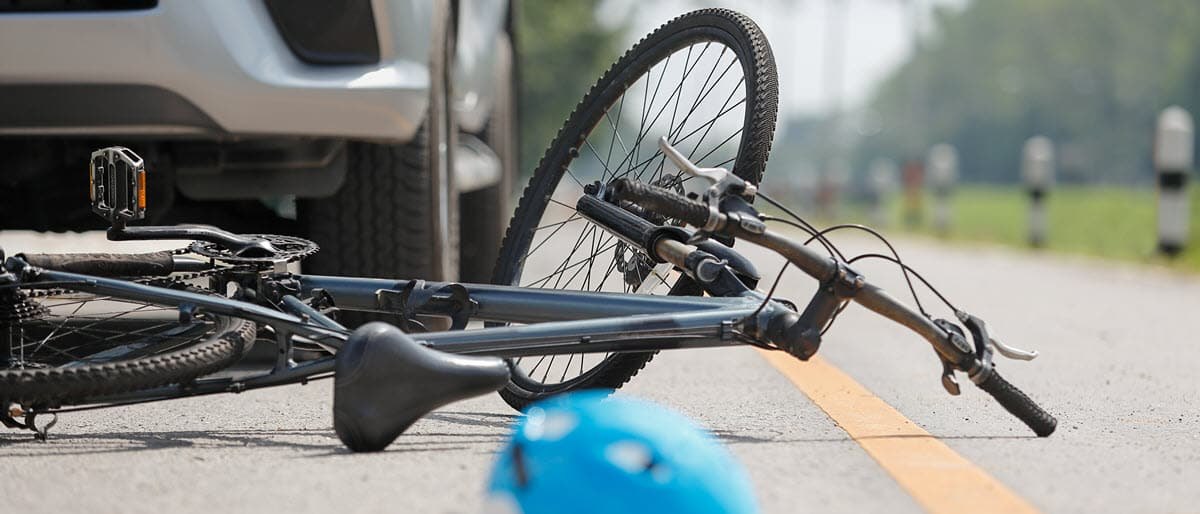
Starting in 2026, local law enforcement agencies and the Florida Highway Patrol are required to track e-bike crashes with specific granularity. They aren’t just logging “bicycle accidents”—they are now recording the class of the e-bike, the rider’s age, and whether the rider was licensed.
This data is being funneled into a massive report due in October 2026. If the “behavior-first” model (slowing down for pedestrians, signaling passes) keeps crash rates low, we keep our freedoms. If the numbers don’t improve, expect a legislative “hammer” in 2027 that could include much stricter requirements.
The Electric Bicycle Safety Task Force
If you’re wondering who’s calling the shots, meet the Electric Bicycle Safety Task Force. This isn’t just an administrative committee—it’s the group that will effectively write the rulebook for 2027. Comprised of law enforcement, industry experts, and medical professionals, their job is to determine if our current laws are enough. They are the ones watching the data, and their recommendations will likely set the tone for the next few years of riding in Florida.
The Core Regulatory Changes
- The 10 MPH “Chill Zone”: When riding on a sidewalk or shared-use path, if a pedestrian is within 50 feet, you must drop to 10 mph or less. It’s a slow-roll mandate to keep things predictable.
- Signal or pay up: The “silent fly-by” is officially out. You must provide an audible warning (a bell or a verbal “on your left”) before passing.
- Class 3 riders need ID: If you’re riding a Class 3 e-bike (up to 28 mph), keep your driver’s license or learner’s permit in your pocket.
- War on “modding”: Tampering with your motor to juice up your speed beyond factory limits is now a non-criminal infraction with fines up to $250. Keep it stock, keep it legal.
The “E-Moto” Crackdown
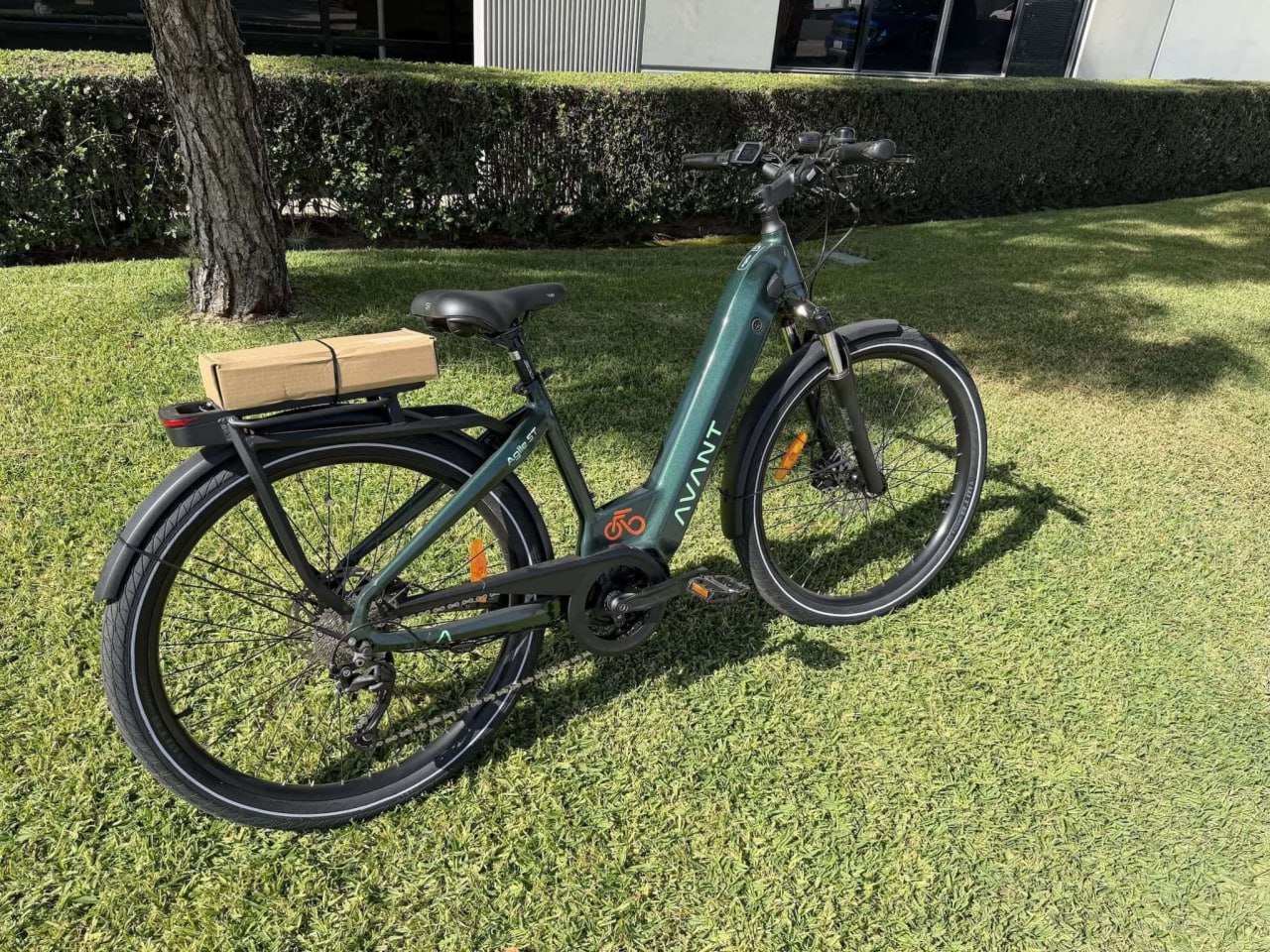
The state is drawing a clear line between bicycles and “stealth motorcycles.” If your ride lacks fully functional pedals or uses a motor exceeding the 750-watt legal limit, Florida classifies it as a motor vehicle. Riding these on bike paths is a fast track to fines, vehicle impoundment, and potential criminal charges. If you’re on a legitimate pedal-assist e-bike, you’ve got nothing to worry about.
The Bottom Line
Florida’s new rules are basically just a call to be a good neighbor. The state is watching to see if riders can handle shared spaces with a little more courtesy. If we all slow down for pedestrians, signal our passes, and ride within our class, we keep the trails open for everyone.
Frequently Asked Questions
Do I need a driver’s license to ride an e-bike in Florida? For Class 1 and Class 2 e-bikes, Florida does not require a driver’s license, registration, or permit. However, if you are operating a Class 3 e-bike (which provides pedal assistance up to 28 mph) the law requires that you carry a valid driver’s license or learner’s permit while riding at all times.
Is insurance mandatory for e-bikes in Florida? No, there is currently no statewide mandate requiring e-bike liability insurance. However, it is strongly recommended. Many e-bikes are excluded from Florida’s “no-fault” Personal Injury Protection (PIP) coverage, and many standard homeowners or renters policies contain “motorized vehicle” exclusions. Without specific coverage, you could be personally liable for significant medical bills or property damage if you are involved in a collision. Specialty e-bike insurance covers theft and crash damage, and can be extended with liability, medical and uninsured motorist coverages.
What is the new “10 mph rule”? This is a safety regulation for shared-use spaces. When riding on a sidewalk or public path, if a pedestrian is within 50 feet of your bike, you must reduce your speed to 10 mph or less. The goal is to minimize the speed gap between e-bikes and people on foot to ensure that shared paths remain predictable and safe for everyone.
Is an audible signal mandatory when passing? Yes. You are legally required to provide an audible warning before passing other path users. This can be accomplished with a bell, a horn, or a clear vocal alert, such as “passing on your left.” Skipping this step is now a valid reason for law enforcement to issue a citation.
How does the law treat high-power “e-motos” vs. e-bikes? If a vehicle lacks fully functional pedals or uses a motor exceeding the 750-watt legal limit, it is classified as a motor vehicle, not an electric bicycle. Operating these “e-motos” on bike paths, lanes, or sidewalks is prohibited and carries the risk of heavy fines or vehicle impoundment.
Are helmets required? State law mandates that all riders under 16 must wear a properly fitted bicycle helmet. For riders 16 and older, there is no statewide helmet mandate, though wearing one is always strongly advised for your own safety.
Where exactly can I legally ride my e-bike? Generally, if you are riding a compliant e-bike, you have the same rights and duties as a traditional cyclist. This means you are permitted to ride on public roadways, shoulders, and designated bike lanes. If you aren’t sure, the bike lane or the road is the safest bet to ensure you remain in compliance with local law.
What happens if I am involved in an accident? Under the new 2026 reporting mandates, law enforcement agencies are required to track and document traffic crashes involving e-bikes. If you are involved in an incident, you should expect officers to record specific data, including the date, time, the classification of your e-bike, and your age. This information is being used to help policymakers determine future safety standards.