
Imagine a cyclist preparing for a morning ride. They pause to choose between two routes. A picturesque hiking path through trees, or the city street that will take them to their destination quicker. The decision appears easy, but it has more than convenience implications.
The nature of the trails and streets exposes bikers to various hazards and the legal system of each of them is different as well. These differences must be understood not only to ensure safety but also to ensure appropriate legal protection. This paper compares the trail and street, their hazards, and what every cyclist should be aware of regarding the law.
In This Article:
Defining the Settings: Trails vs Streets
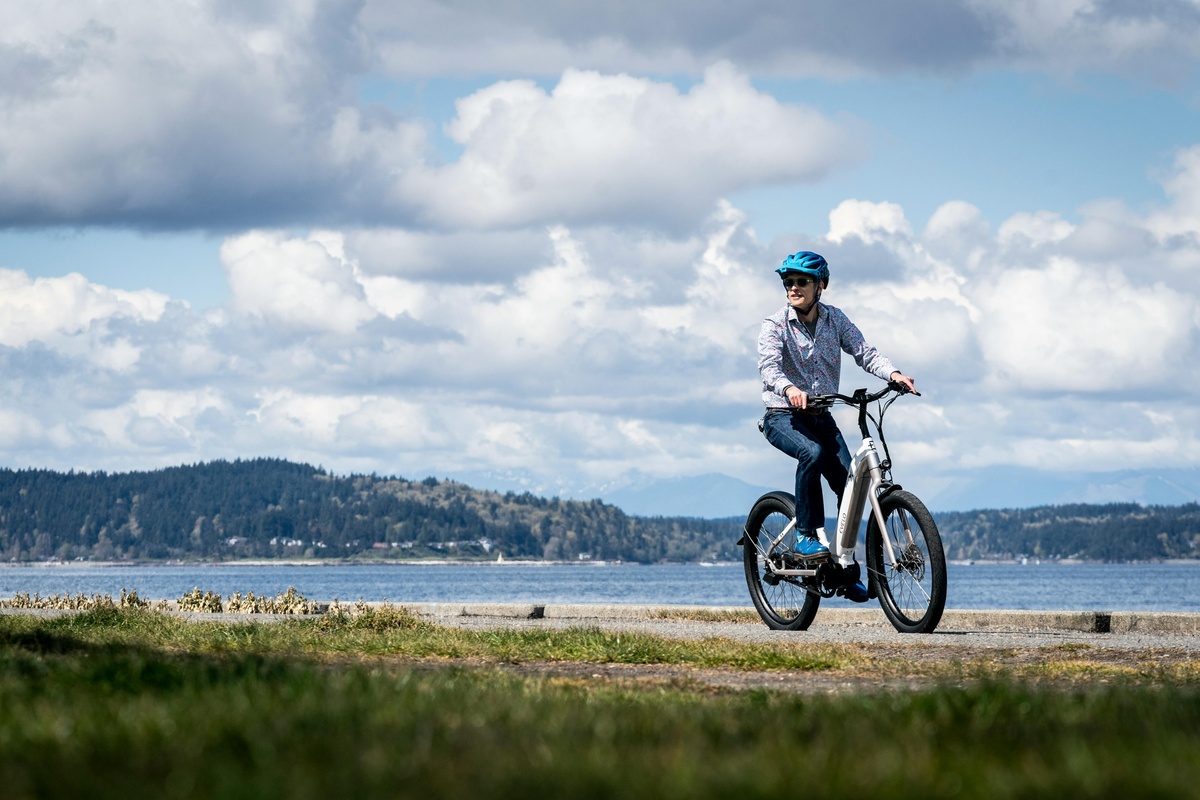
Trail biking means cycling on an off-road. Some routes are paved, others are not. These are either paved or un-paved routes and are commonly used by pedestrians, joggers, and other bikers. They tend to go through parks, recreational facilities, or natural sceneries which provides a more relaxed atmosphere.
Streets are communal roads that are used with motor vehicles. Some have bike lanes, others make cyclists go around cars, buses and trucks. The key variations are traffic density, speed, and potential hazards. Trails receive less traffic, whereas streets require more attention because people are always in motion and cannot behave predictably.
Risk Comparison: Trails
Trails offer relief from vehicular traffic but come with hazards:
- Bumps, roots, loose gravel, and drop-offs may result in loss of control, particularly at higher speeds.
- Collisions may occur where trails intersect with roads or driveways, often due to visibility limits.
- Their shared nature introduces the risk of accidents with pedestrians or other cyclists. Particularly on blind curves or during peak usage.
Off-street cycle paths tend to have fewer serious injuries than the streets. The lack of motor vehicles reduces the possibility of life endangering crashes. That said, trails experience more surface-related accidents or infrastructure failures that can still result in severe injuries. Riders using different bike types should adjust their handling and speed according to terrain.
Risk Comparison: Streets
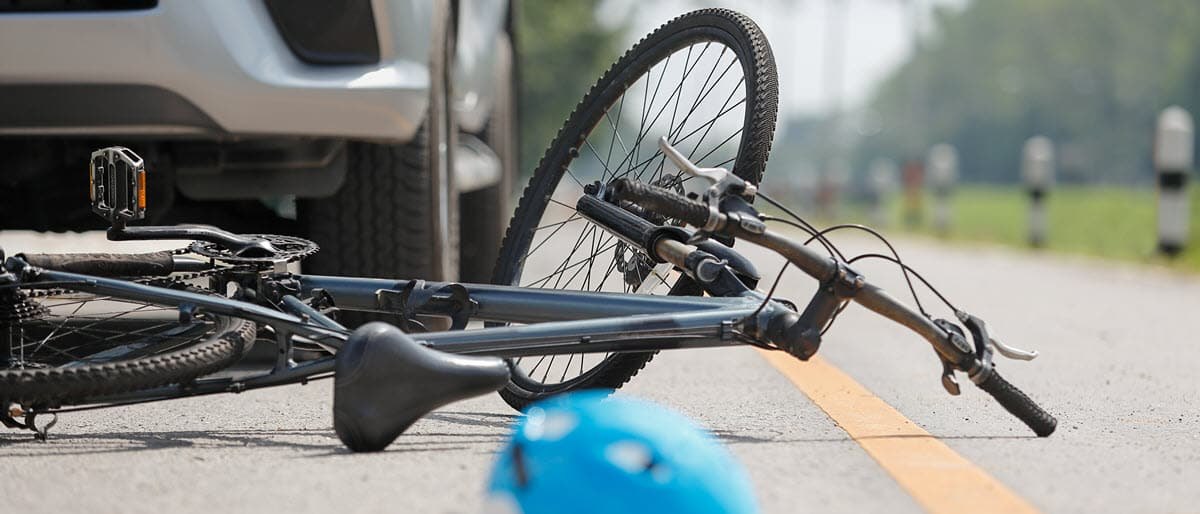
Riding on roads exposes bicycle riders to motor vehicle traffic. Impact injuries caused by collisions with cars, buses or trucks tend to be more severe. Common hazards include “dooring” incidents and blind spots at intersections. Roads without special cycling facilities experience more injuries. Particularly where bike lanes are narrow or in poor condition.
Bikers should strictly follow traffic regulations. They should stop at red lights, signal turns, and use lights and reflectors. Neglecting these obligations can increase risk and affect legal standing. Proper maintenance of bike brakes is critical for preventing collisions. Although streets are more dangerous, awareness, rule compliance, and defensive riding can reduce exposure.
Legal Considerations
Cyclists’ legal rights and duties vary by environment. Riders are entitled to safe road use. Their rights are safeguarded by the laws that compel motorists to be careful. Insurance or personal injury claims require gathering evidence after a crash. This includes photos, testimonies, and police reports. Proving driver negligence is usually more straightforward on streets.
On trails, rules may be set by park authorities rather than traffic law. Cyclists must observe speed limits and yielding requirements. Liability for injuries due to poor maintenance or collisions can be complex, sometimes involving municipal responsibility. Insurance cover may not extend off-road or non-motor-vehicle accidents. Consulting a professional while recovering after a bicycle crash can help explain rights and reinforce possible claims.
Best Practices and Advice for Cyclists
Both environments require safety measures. On trails cyclists should:
- Wear helmets and gloves
- Control speed according to surface condition
- Signal when overtaking
- Have regular equipment checks enhance control and responsiveness
On streets, visibility is essential. Many accidents are avoided through reflective clothing, lights, and correct positioning. Riders should:
- Avoid door zones
- Use bike lanes
- Anticipate unsafe driving
Keeping accurate records, knowing local cycling laws, and maintaining insurance coverage adds protection for recreational and commuter cyclists.
Endnote
Neither environment is risk-free. Streets and trails both possess unique risks and legal consequences. Education, anticipation, and knowledge of rights may play a key role in influencing safety and legal implications. Riders contribute to safer cycling conditions by keeping informed and pushing improvements in infrastructure. Share this guide with fellow cyclists and encourage discussions promoting responsibility and protection.