
Commuting by bicycle has become increasingly popular in cities across the United States. Urban cycling provides an efficient, eco-friendly alternative to driving while also offering health benefits. Yet city streets come with unique challenges: congested traffic, distracted drivers, and infrastructure that isn’t always designed with cyclists in mind. For commuters, safety must be a top priority.
Learning and applying practical safety strategies can reduce risks, prevent accidents, and make the experience of cycling through busy urban areas far more enjoyable. From choosing the right gear to adopting defensive riding techniques, every decision contributes to a safer journey.
In This Article:
Preparing for the Ride
Choosing the Right Bicycle
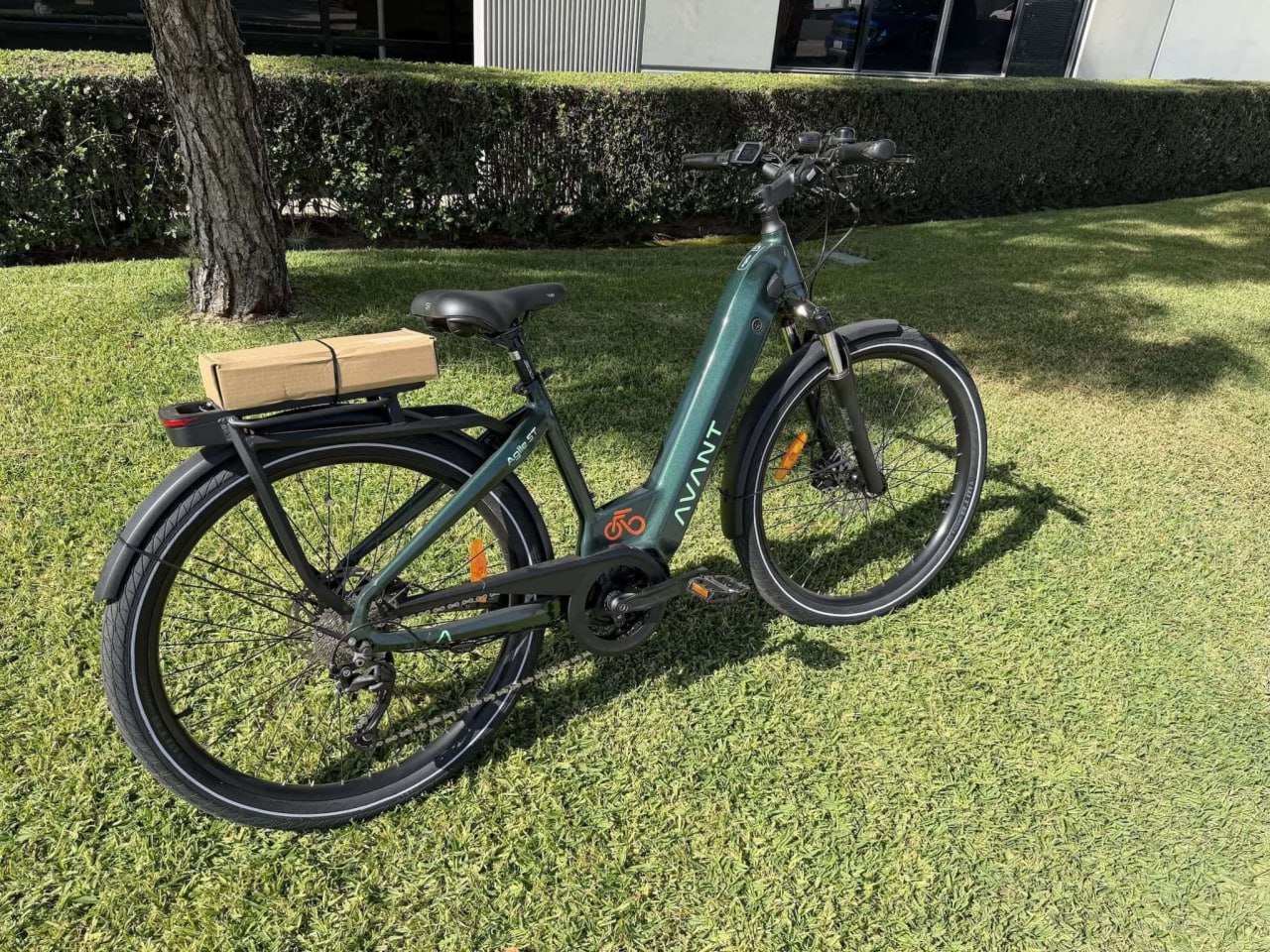
Selecting a bike suited for urban commuting is the first step toward safety. City commuters often prefer lightweight, durable bicycles that handle stop-and-go traffic efficiently. Features such as reliable brakes, responsive gears, and puncture-resistant tires provide added peace of mind in unpredictable urban conditions.
Essential Safety Gear
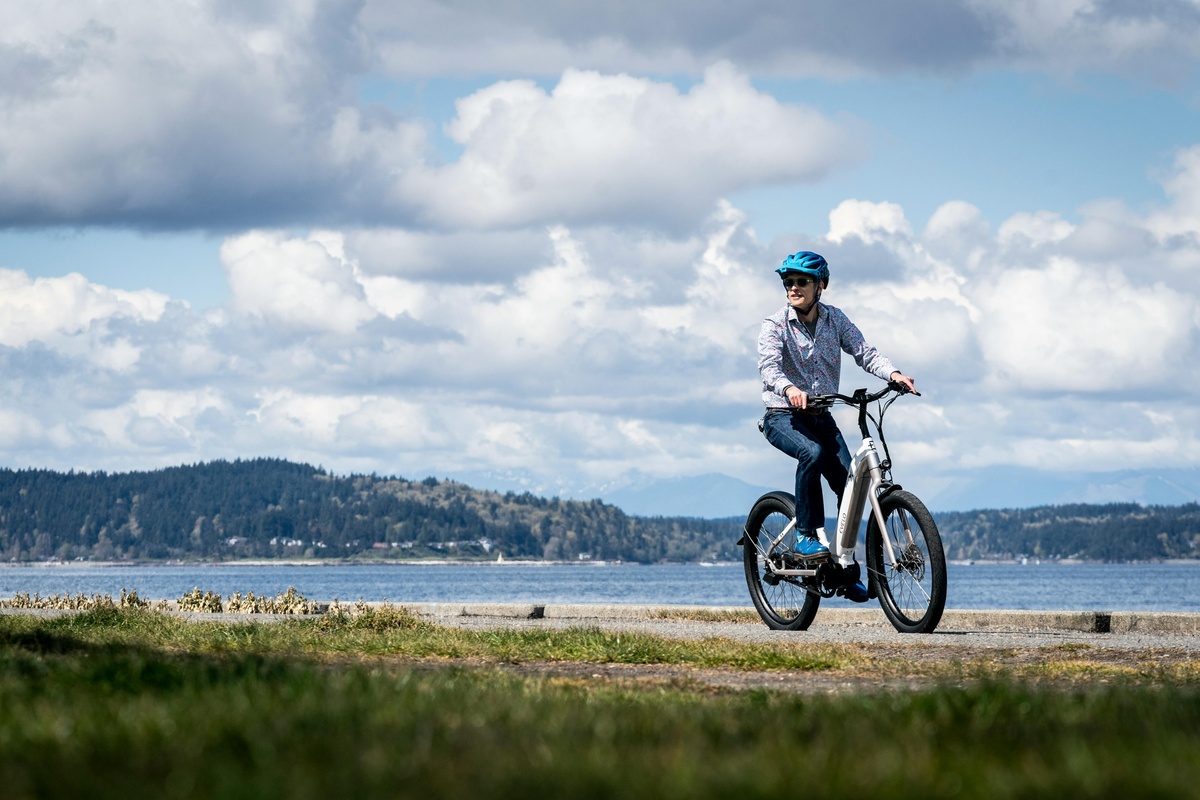
A helmet remains the most critical piece of safety equipment. Even experienced riders cannot predict when accidents will occur, and helmets significantly reduce the risk of serious head injuries. Reflective clothing, lights, and mirrors also enhance visibility and awareness, especially in cities where traffic density is high. Gloves and padded shorts may not be mandatory but help prevent fatigue, which in turn reduces mistakes during long commutes.
Maintenance Matters
Regular maintenance prevents many accidents before they happen. Checking tire pressure, inspecting brakes, and lubricating chains should be part of a commuter’s weekly routine. A well-maintained bike is less likely to experience mechanical failures that could result in crashes. Keeping a small tool kit and patch kit on hand ensures that unexpected breakdowns don’t turn into dangerous situations on busy roads.
Riding Safely in City Traffic
Obeying Traffic Laws
Urban cyclists share the road with cars, buses, and pedestrians. Obeying traffic lights, stop signs, and lane markings reduces confusion and makes interactions with drivers more predictable. Cyclists who follow traffic laws not only avoid legal issues but also protect themselves from preventable collisions.
Staying Visible
Visibility is one of the biggest challenges for city commuters. Cars have blind spots, and cyclists can be overlooked, especially at intersections. Wearing reflective gear, installing bright front and rear lights, and using hand signals all help drivers notice cyclists sooner. Riders who make themselves visible are far less likely to encounter near misses or serious crashes.
Lane Positioning
Proper lane positioning can reduce risks in high-traffic environments. Cyclists should avoid hugging the curb, where they are less visible and more likely to encounter road hazards. Taking the lane when necessary signals to drivers that the cyclist has the right to occupy that space, making movements clearer and safer.
Navigating Intersections and High-Risk Areas
Most bicycle accidents occur at intersections, where traffic movements overlap. Cyclists should always approach with caution, make eye contact with drivers when possible, and avoid riding through oncoming traffic’s blind spots. Maintaining predictability—by signaling turns and keeping consistent speed—reduces the chances of a collision.
Parked cars also create unique hazards. “Dooring” accidents, when drivers or passengers open car doors into a cyclist’s path, are common in urban environments. Maintaining a safe distance from parked cars allows time to react and prevents sudden crashes.
For commuters looking to strengthen their knowledge, resources like bicycle safety tips provide additional strategies designed specifically for urban environments. These guidelines cover everything from road positioning to dealing with unpredictable drivers, reinforcing the skills necessary for safer commuting.
Seasonal Considerations for Urban Cycling
Urban commuting doesn’t stop when the seasons change. Each season brings its own safety concerns, requiring commuters to adapt.
Winter Challenges
Snow, ice, and reduced daylight make winter cycling more hazardous. Riders should equip their bikes with wider tires for traction and wear layers that provide warmth without restricting movement. Extra lighting is also essential in winter, since darker mornings and evenings make cyclists less visible to drivers.
Spring Safety Refresh
As temperatures rise, more cyclists return to the streets, and traffic patterns shift. Reviewing a Safe bicycling guide for spring helps riders adjust to seasonal changes. It’s also the perfect time to inspect and tune up bicycles after winter storage. Spring often brings unpredictable weather, so cyclists should prepare for sudden rain and slippery surfaces.
Summer and Fall Adjustments
Summer brings longer days but also heat-related challenges. Staying hydrated, wearing breathable gear, and avoiding peak midday heat reduce health risks. In the fall, wet leaves, shorter daylight hours, and sudden storms demand extra caution. Riders should anticipate changing road textures and adjust braking accordingly.
Defensive Riding Strategies
Anticipating Driver Behavior
Urban commuting demands a defensive mindset. Cyclists should assume that drivers may not see them and be prepared to react. Watching for sudden lane changes, distracted driving, or vehicles turning without signaling can prevent dangerous encounters.
Maintaining Situational Awareness
Awareness of surroundings is critical. Listening to traffic, scanning for pedestrians, and monitoring road conditions allow cyclists to anticipate hazards. Avoiding distractions, such as headphones or texting while riding, ensures full focus remains on the road.
Planning Routes Strategically
Whenever possible, cyclists should plan routes with dedicated bike lanes or lower traffic volumes. While the fastest route may seem appealing, the safest route often provides a better commuting experience. In many cities, online mapping tools and cycling communities share data on safer streets, helping riders make informed choices.
After an Accident: What Cyclists Should Know
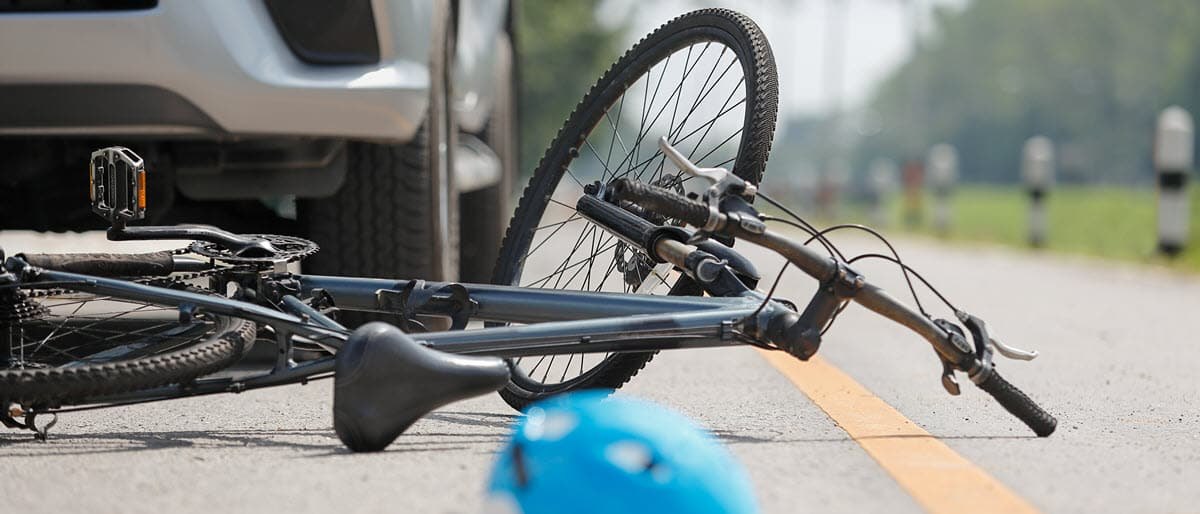
Despite precautions, accidents can still occur. Knowing how to respond is crucial for both safety and potential legal claims.
Cyclists should always seek medical attention, even if injuries appear minor. Filing a police report creates an official record that can support insurance claims. In serious cases, consulting a bicycle accident lawyer may be necessary to pursue compensation for medical bills and lost wages.
Documentation also matters. Keeping a record of medical visits, receipts for bike repairs, and witness statements ensures that a victim has the evidence needed if a dispute arises with insurers or in court.
Building Safer Cycling Communities
Safety is not only about individual responsibility but also about collective action. Advocacy for improved infrastructure—such as protected bike lanes, better signage, and traffic-calming measures—reduces risks for all riders. Cities that invest in cycling infrastructure often see measurable decreases in accident rates and increases in commuter participation.
Cyclists themselves play a role in community safety by promoting awareness, participating in advocacy efforts, and supporting policies that encourage drivers and riders to share the road responsibly. Public campaigns, community rides, and collaboration with local governments all help create environments where cycling is not just tolerated but actively supported.
Employers and institutions can also support cycling by offering secure bike storage, shower facilities, and commuter incentives. These small investments encourage more people to ride while reinforcing the message that safe cycling is a shared priority.