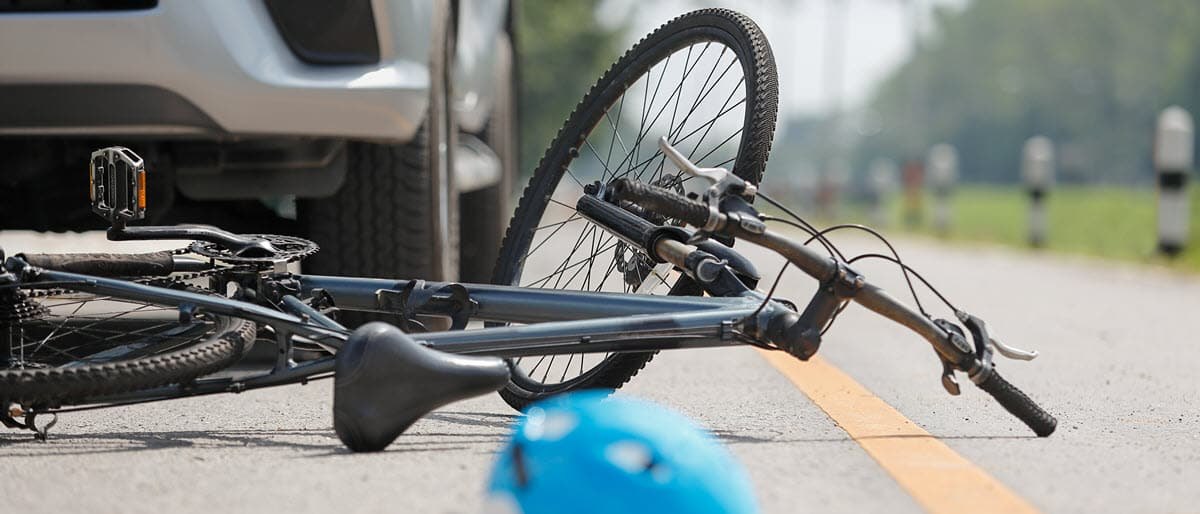

Cycling is celebrated across the United States for its health benefits, environmental advantages, and growing role in sustainable transportation. However, as cycling becomes more popular, the dangers cyclists face on busy American roads remain a significant concern. Unlike drivers encased in vehicles, cyclists are directly exposed to the risks posed by speeding traffic, distracted motorists, and poorly designed infrastructure. Some roads are particularly notorious for high accident rates, often because they lack adequate bike lanes or are overwhelmed by heavy traffic.
Understanding which roads are the most dangerous for cyclists in the U.S. can help raise awareness, shape advocacy for better infrastructure, and provide riders with the knowledge to make safer decisions.
In This Article:
Why Certain Roads Pose Higher Risks
Not every roadway presents the same level of danger. A combination of factors contributes to higher accident rates on specific routes.
Lack of Dedicated Bike Lanes
Roads without protected bike lanes force cyclists to share lanes with cars and trucks. This design flaw greatly increases the risk of collisions.
High Traffic Volume
Major highways, commuter routes, and arterial roads typically have dense traffic. For cyclists, this means reduced visibility and less space to maneuver safely.
Driver Behavior
Distracted driving, speeding, and failure to yield are leading causes of crashes with cyclists. On dangerous roads, these behaviors are even more threatening.
Poor Lighting and Road Maintenance
Cyclists are at greater risk when roads lack proper lighting, signage, or smooth surfaces. Potholes, debris, or unclear lane markings can lead to serious accidents.
Regions and Roads with High Accident Rates
Florida’s Urban Corridors
Florida consistently ranks as one of the most dangerous states for cyclists. Roads in cities like Orlando, Tampa, and Miami record alarming accident rates due to wide arterials, high-speed limits, and insufficient bike-friendly infrastructure.
California’s Busy Streets
Los Angeles and San Francisco are cycling hubs, yet they also have roads with some of the highest cyclist fatality rates in the country. High congestion, distracted drivers, and a patchwork of inconsistent bike lanes contribute to the risks.
New York’s Intersections
New York City is known for its dense traffic and busy intersections, which can be perilous for cyclists despite the city’s investments in bike lanes. Certain stretches in Manhattan and Brooklyn remain hot spots for crashes due to heavy vehicle volume and turning conflicts.
Rural Roads Across the Midwest
Rural highways in states like Illinois, Iowa, and Kansas are deceptively dangerous. With long stretches of road, high speeds, and limited shoulders, cyclists often have little protection from fast-moving vehicles.
Legal Implications for Cyclists
Cyclists injured on dangerous roads frequently face unique challenges in seeking justice. Questions about liability can arise when road design, municipal responsibility, and driver negligence intersect. In such cases, legal expertise becomes essential.
Victims in Illinois, for example, may turn to Naperville Bicycle Accident Lawyers who understand both state traffic laws and the specific risks cyclists face in suburban and urban areas. These lawyers work to establish negligence and secure compensation for medical expenses, lost wages, and long-term rehabilitation.
Similarly, cyclists in other regions may rely on Experienced bicycle crash attorneys who bring specialized knowledge to cases involving high-risk roads. Attorneys not only fight for individual clients but also advocate for safer infrastructure and policy changes to reduce future accidents.
Common Injuries on Dangerous Roads
The injuries sustained in crashes on hazardous roads often reflect the severity of conditions.
Head and Brain Injuries
Even with helmets, cyclists face high risks of concussions and traumatic brain injuries. Busy intersections and high-speed roads increase the likelihood of these life-altering outcomes.
Fractures and Broken Bones
Arms, legs, and collarbones are particularly vulnerable in crashes, often resulting in lengthy recovery times or surgical intervention.
Spinal Injuries
Falls or collisions with large vehicles can lead to serious spinal damage, potentially causing paralysis or long-term mobility issues.
Emotional Trauma
Dangerous roads not only cause physical harm but also create lasting psychological impacts. Many cyclists struggle with anxiety and post-traumatic stress after surviving a crash.
How Infrastructure Can Reduce Risks
While cyclists must remain vigilant, infrastructure design plays a central role in safety. Cities that invest in protected bike lanes, better signage, and improved road maintenance see measurable decreases in accidents.
Protected Bike Lanes
These lanes physically separate cyclists from vehicle traffic, significantly reducing the risk of collisions.
Improved Lighting and Signage
Clear road markings, visible signage, and proper lighting help drivers and cyclists better anticipate each other’s movements.
Traffic-Calming Measures
Lowering speed limits, adding speed bumps, and narrowing vehicle lanes can all make roads safer for cyclists.
Preventive Measures Cyclists Can Take
Cyclists cannot control every aspect of the road, but they can take steps to reduce risks on dangerous routes. Wearing high-visibility gear, using lights during both day and night, and signaling turns clearly all improve visibility to motorists. Planning routes with designated bike lanes, even if slightly longer, can also reduce exposure to hazardous conditions.
Why Awareness of Dangerous Roads Matters
Highlighting the most dangerous roads in the U.S. serves a dual purpose. For cyclists, it provides practical knowledge about where risks are highest, allowing them to make informed decisions about routes and safety practices. For policymakers and advocates, it underscores the urgent need for infrastructure improvements.
Legal and medical consequences of bicycle accidents can be overwhelming, but raising awareness and demanding safer roads ensures that cyclists are not left unprotected. By combining advocacy, legal support, and informed riding practices, the cycling community can continue pushing toward safer conditions nationwide.