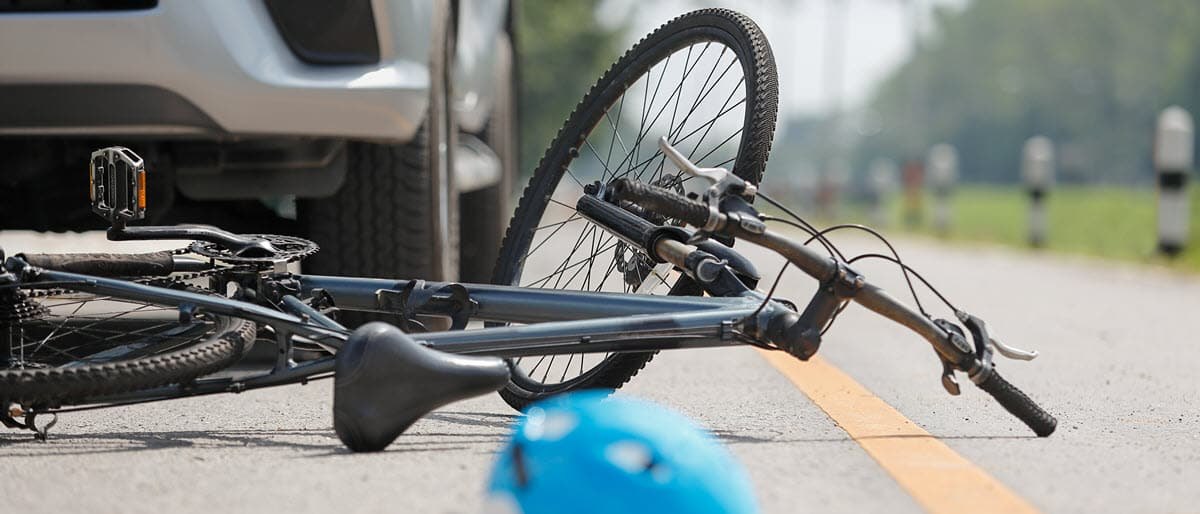

Cycling continues to grow in popularity across the United States, offering both recreational and commuting benefits. However, with this rise comes an unfortunate reality: accidents involving bicycles are all too common. Among the most troubling of these are hit-and-run incidents, where a driver collides with a cyclist and leaves the scene without providing assistance or identifying information. For cyclists, such accidents are uniquely challenging because they combine physical harm, emotional trauma, and significant legal hurdles. Understanding what to do in the aftermath of a hit-and-run, as well as knowing your rights, can make all the difference.
In This Article:
The Growing Concern of Hit-and-Run Accidents
Hit-and-run accidents are not only illegal but also deeply damaging to victims and communities. When a driver leaves the scene, they deprive the injured cyclist of immediate help and potentially delay life-saving medical care. Cyclists already face higher risks due to limited physical protection, making hit-and-runs particularly devastating.
In urban areas, the problem is more pronounced. For example, cases of a hit-and-run accident in Chicago have highlighted just how vulnerable cyclists are in crowded, high-traffic environments. As cities continue to encourage cycling for health and sustainability, awareness of these risks—and how to respond—becomes critical.
Why Drivers Flee the Scene
Understanding why drivers leave the scene can help cyclists and advocates push for stronger policies and preventive measures. Drivers may flee because they are under the influence of alcohol or drugs, do not have insurance, or fear legal consequences. In other cases, panic or a lack of awareness of the severity of the accident may drive the decision to leave.
Regardless of the reason, fleeing the scene compounds the crime. States impose strict penalties for hit-and-run offenses, including fines, license suspension, and possible imprisonment. Still, these penalties provide little comfort to the injured cyclist waiting for medical attention or struggling with the aftermath of the accident.
Common Injuries in Bicycle Hit-and-Run Cases
The injuries sustained in a hit-and-run accident are often severe because cyclists are exposed and lack the protection of a vehicle.
Head and Brain Injuries
Even with helmets, cyclists may suffer concussions or traumatic brain injuries. These injuries can lead to long-term cognitive challenges, headaches, and memory loss.
Broken Bones and Fractures
Collisions frequently result in broken arms, legs, ribs, or collarbones. Recovery may involve surgery, extended rehabilitation, and significant time away from work.
Spinal Cord Injuries
In more serious cases, spinal cord injuries can cause partial or complete paralysis. These life-altering injuries often require ongoing medical treatment and long-term support.
Emotional Trauma
Beyond the physical harm, many cyclists report emotional distress after being left behind in a vulnerable state. Anxiety, depression, and post-traumatic stress disorder (PTSD) are not uncommon following such incidents.
Immediate Steps After a Hit-and-Run
Seek Medical Help First
Your health and safety must be the top priority. If possible, call emergency services immediately or ask bystanders for help. Even if injuries appear minor, medical evaluation is crucial to rule out internal damage.
Gather Information
If you are able, try to record details such as the make, model, and color of the vehicle, or any portion of the license plate number. Witness statements can also be invaluable in tracking down the responsible driver.
File a Police Report
Reporting the accident creates an official record, which can support insurance claims and legal actions. Police may also be able to locate the driver through traffic cameras, eyewitness accounts, or forensic evidence from the scene.
Contact Legal Counsel
After receiving medical treatment, consulting a Bicycle accident attorney can help you understand your rights. An attorney can guide you through insurance claims, identify potential compensation sources, and, if the driver is located, pursue legal action.
Insurance Options for Cyclists
When the at-fault driver cannot be identified, cyclists may need to rely on their own insurance policies. Uninsured motorist coverage, if available through a car insurance plan, often applies to bicycle accidents as well. Health insurance can help cover medical costs, but it may not account for lost wages or pain and suffering.
Attorneys can help explore all possible avenues for recovery, including civil claims, victims’ compensation funds, or negotiating with insurance providers who may initially deny or limit payouts.
Legal Challenges in Hit-and-Run Bicycle Accidents
Identifying the Driver
One of the most significant hurdles in these cases is locating the driver who fled. While some are found quickly, others may remain unidentified, complicating compensation efforts.
Proving Liability
Even if the driver is found, proving liability can be challenging without direct eyewitnesses or clear evidence. This underscores the importance of prompt police involvement and thorough investigation.
Long-Term Financial Impact
Cyclists may face medical expenses, rehabilitation costs, and lost earnings due to time away from work. Legal representation ensures that all these damages are considered when pursuing compensation.
The Role of Legal Representation
Working with a skilled attorney can ease the burden on accident victims. Lawyers can collect evidence, handle negotiations with insurance companies, and represent clients in court if necessary. Importantly, they provide advocacy at a time when victims may feel powerless.
An experienced legal advocate ensures that victims are not left with financial hardship in addition to physical and emotional trauma. They also play a role in pushing for accountability and safety reforms that benefit the broader cycling community.
Preventing Hit-and-Run Accidents
While cyclists cannot control the actions of drivers, they can take steps to reduce risks. Using reflective clothing, installing lights on bicycles, and adhering to traffic laws increase visibility and predictability on the road. Advocacy for better infrastructure—such as protected bike lanes and improved signage—also reduces exposure to dangerous conditions.
Communities and lawmakers must play their part too. Stronger penalties, public awareness campaigns, and better enforcement can deter potential offenders and reinforce the message that leaving the scene of an accident is unacceptable.
Why Awareness Matters
Hit-and-run accidents highlight the vulnerability of cyclists and the importance of legal and community support. They also emphasize the need for every rider to be informed about what to do in the aftermath of a collision. While prevention is always the goal, accidents do happen, and knowing how to respond can make the recovery process smoother and more effective.
Cyclists should not have to face the devastating consequences of hit-and-run accidents alone. With the right medical attention, legal guidance, and community advocacy, victims can find a path toward healing and accountability.