For competitive cyclists, every component of their bike setup matters, and road bike handlebars stand as one of the most critical elements affecting performance.
These essential pieces of equipment serve as far more than simple grips—they function as the command center where control, comfort, and aerodynamics converge.
The right handlebars can transform your riding experience, enabling better power transfer through optimal positioning while reducing fatigue during long races or training sessions.
Whether you’re sprinting for the finish line, descending at high speeds, or maintaining an aggressive time trial position, your handlebars directly influence how efficiently you can maneuver and how comfortably you can sustain competitive efforts.
Understanding the nuances of handlebar design, from drop depth to reach measurements, empowers cyclists to make informed decisions that align with their racing style and physical requirements.
As competitive cycling continues to evolve with advancing technology and refined ergonomics, selecting the appropriate handlebars has become increasingly sophisticated, demanding careful consideration of multiple factors that together determine your success on the road.
In This Article:
Introduction to Road Bike Handlebars
Road bike handlebars represent the fundamental interface where rider input translates into bike response, making them essential for precise handling during competitive situations.
Every steering adjustment, braking decision, and weight shift flows through this crucial contact point, directly affecting how the bicycle responds to terrain changes and tactical maneuvers.
Beyond their mechanical function, handlebars determine rider positioning, which influences both aerodynamic efficiency and the ability to generate power through different muscle groups.
The geometry of your handlebars affects shoulder width alignment, arm extension, and torso angle—factors that become increasingly significant during extended races where maintaining an efficient position separates competitive cyclists from recreational riders.
Modern handlebar designs incorporate decades of biomechanical research and wind tunnel testing, resulting in shapes that balance comfort requirements with performance demands.
Understanding how handlebars function as the primary control mechanism helps competitive cyclists appreciate why seemingly minor differences in design can produce measurable improvements in race results and overall riding capability.

Types of Road Bike Handlebars
Competitive cyclists can choose from several handlebar configurations, each optimized for specific racing scenarios and riding styles.
Traditional drop bars remain the most common choice, featuring curved extensions that allow multiple hand positions from the tops for climbing to the drops for aggressive sprinting and descending.
Compact drop bars offer shallower drops and shorter reach compared to classic designs, providing comfort for riders with smaller frames or those seeking less extreme positioning.
Aero bars integrate flattened top sections and specialized shaping to minimize wind resistance, making them popular among time trialists and triathletes who prioritize speed over versatility.
Track bars feature deeper drops and more aggressive geometry suited to velodrome racing where sustained aerodynamic positions matter most.
Flared drop bars widen at the drops to enhance control and comfort during technical descents and gravel sections, appealing to cyclists who compete across varied terrain.
Each handlebar type reflects specific biomechanical and aerodynamic priorities, with competitive cyclists often selecting based on their primary racing discipline and individual comfort requirements.
Key Features to Consider
Material Options
Handlebar materials fundamentally determine performance characteristics that competitive cyclists experience during races.
Aluminum handlebars deliver exceptional stiffness and affordability, making them reliable choices for training bikes and budget-conscious racers who need dependable equipment without premium costs.
Carbon fiber handlebars reduce overall bike weight while absorbing road vibrations that cause fatigue during extended competitions, though they require careful handling to prevent damage from overtightening or crashes.
Steel handlebars, though less common in modern competitive cycling, provide unmatched durability and a classic feel appreciated by certain racing disciplines.
The material selection process extends beyond simple weight comparisons—competitive cyclists must evaluate how different materials affect handling responsiveness, long-term durability under racing stresses, and compatibility with their existing components.
Carbon fiber’s vibration damping becomes particularly valuable during stage races where cumulative fatigue affects performance, while aluminum’s predictable flex characteristics suit riders who prefer direct feedback through technical sections.
Understanding these material properties enables informed decisions that balance performance requirements with practical considerations like maintenance demands and replacement costs.
Choosing the Right Width and Reach
Adjustability and Compliance
Handlebar width should align closely with shoulder width to optimize power transfer and reduce strain during competitive efforts.
Narrower handlebars improve aerodynamic efficiency by reducing frontal area, particularly beneficial for time trials and flat stages where wind resistance dominates performance losses.
Wider configurations enhance breathing capacity and provide greater leverage during climbs and sprints, though they sacrifice some aerodynamic advantage.
Reach measurements determine how far forward you extend, affecting spinal angle and weight distribution between the saddle and handlebars.
Competitive cyclists typically measure from the center of the bar clamp to the furthest point of the hoods to ensure proper fit.
Modern handlebars increasingly feature adjustable components that accommodate individual biomechanics without requiring complete replacement.
Compliance refers to how handlebars flex under load, absorbing vibrations that accumulate during long races.
Strategic flex zones in carbon designs reduce upper body fatigue while maintaining steering precision, allowing sustained aggressive positioning throughout competitions.
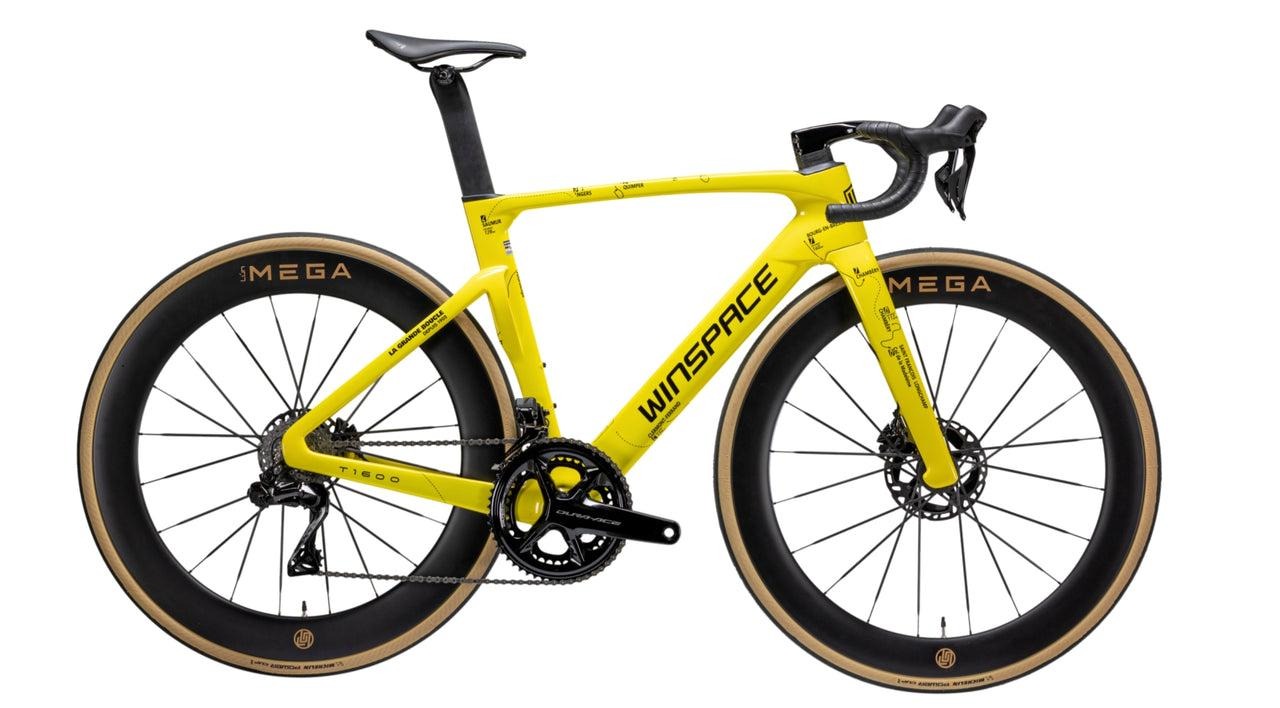
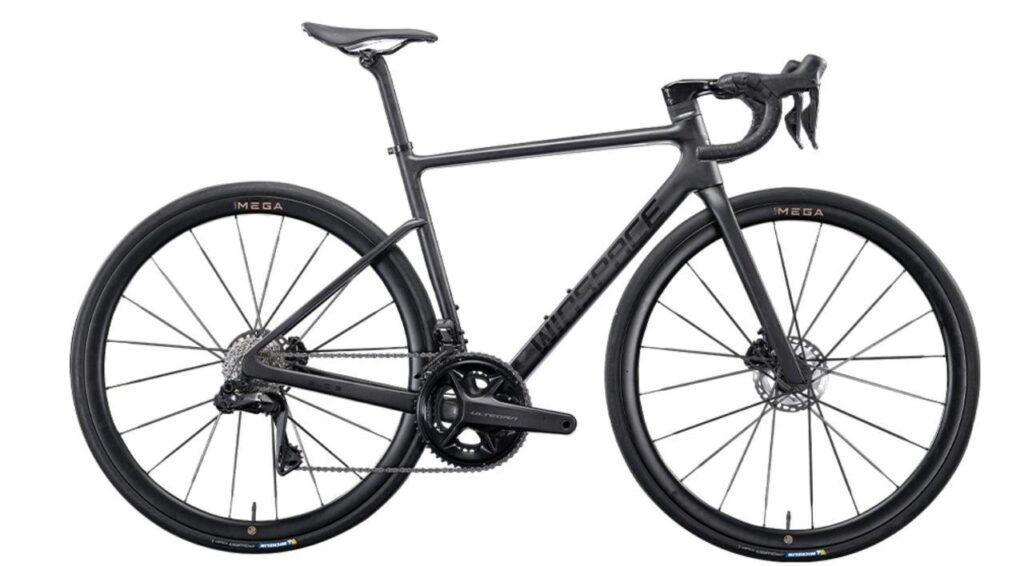
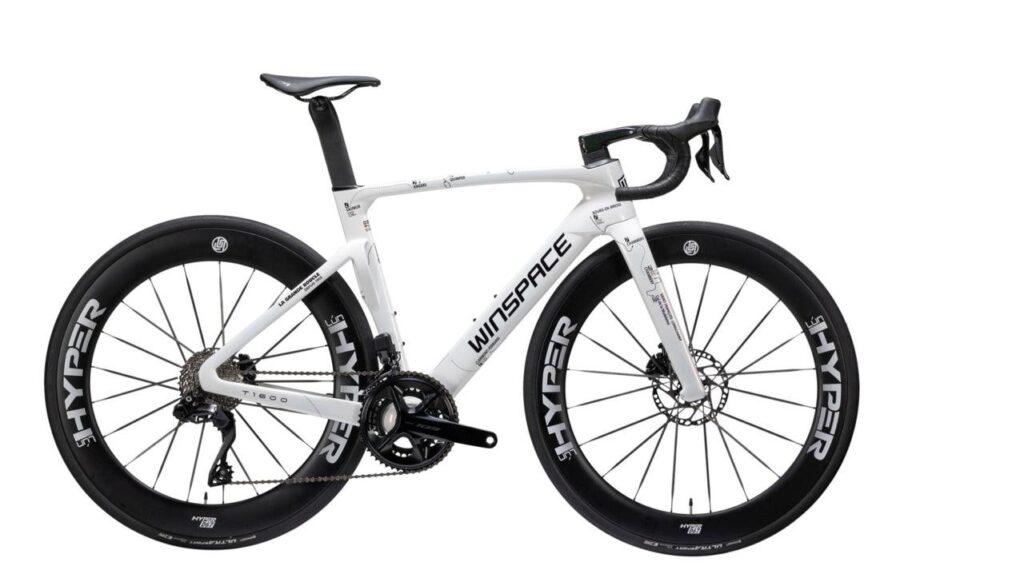
Many manufacturers, including Winspace Bikes, have developed integrated handlebar and stem systems that optimize both aerodynamics and compliance for competitive applications.
Testing different width and reach combinations during training rides reveals how subtle changes affect breathing efficiency, power output sustainability, and comfort during race-intensity efforts before committing to competition setups.
Installation and Maintenance
Proper handlebar installation begins with selecting the correct stem interface and ensuring compatible clamp diameters, typically measuring either 31.8mm or the older 26.0mm standard.
Competitive cyclists should torque stem bolts to manufacturer specifications using a calibrated torque wrench, preventing both slippage during aggressive riding and carbon damage from overtightening.
Position handlebars so the drops angle slightly downward or remain parallel to the ground, creating natural wrist alignment when riding in aggressive positions.
Wrap bar tape with consistent tension and overlap, starting from the drops and working upward to prevent unraveling during races.
Regular maintenance involves inspecting for stress cracks around the stem clamp area and checking that all components remain securely fastened after training rides.
Clean handlebars with mild soap and water, avoiding harsh solvents that degrade carbon fiber resins or aluminum finishes.
Replace bar tape seasonally or when grip deteriorates, as fresh tape maintains control during critical race moments.
Periodically verify brake and shifter positioning hasn’t shifted, making minor adjustments to preserve optimal ergonomics that directly affect competitive performance and rider safety throughout demanding racing seasons.
Optimizing Your Handlebar Setup for Competitive Success
Selecting the right road bike handlebars is a crucial decision for competitive cyclists, influencing their comfort, control, and overall performance.
By considering key features such as width, reach, and material, riders can choose handlebars that meet their specific needs and preferences.
The interaction between handlebar geometry and individual biomechanics determines how effectively you can maintain aggressive positions during races while preserving the comfort necessary for sustained efforts.
Whether prioritizing aerodynamic advantages through narrow profiles, seeking vibration damping through carbon construction, or optimizing power transfer with proper width alignment, your handlebar choice directly impacts competitive outcomes.
Taking time to test different configurations during training rides allows you to identify the setup that best complements your racing discipline and physical characteristics.
Regular maintenance ensures your handlebars continue performing reliably throughout demanding competition schedules, while proper installation prevents equipment failures that compromise safety and results.
As you refine your competitive setup, remember that handlebars represent an investment in both immediate race performance and long-term riding sustainability.