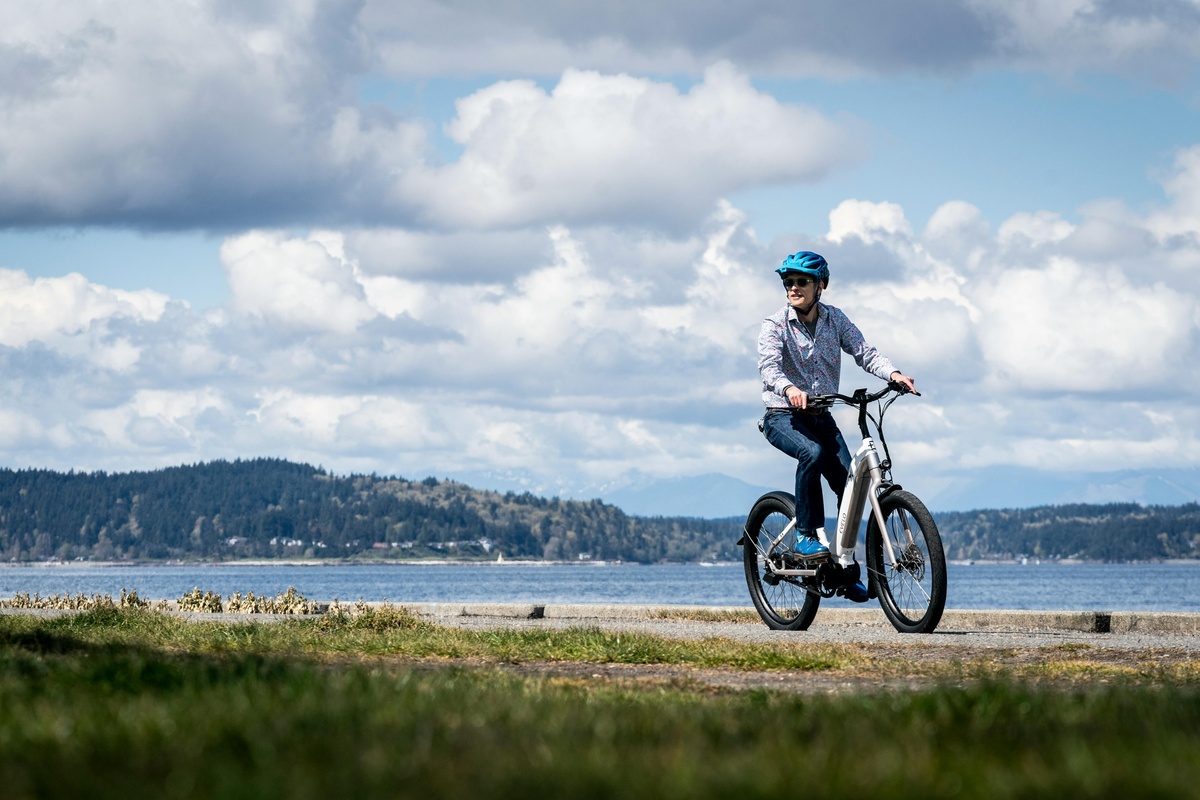
Electric bicycles—also often referred to as e-bikes; we will use this term for convenience going forward—are rapidly changing how people move. These vehicles are a much greener and healthier alternative to cars. On top of that, e-bikes are perfect for recreation and simply having a great time with friends.
However, on the other hand, they also impact safety as well. Using e-bikes requires certain levels of skill and reaction. Even though they are very maneuverable, e-bikes can pose a security threat when used incorrectly.
That’s why certain states develop and implement regulatory frameworks for e-bikes to support the spread of these vehicles while keeping their use safe at the same time. If Pennsylvania is your primary destination and you plan to use an e-bike, grab the essentials in this review. Аnd let’s roll, Lancaster, having a good time!
In This Article:
What Are E-Bikes According to Pennsylvania’s Regulatory Framework?
The local legislation defines e-bikes as a pedal cycle with electric assist. In addition, certain characteristics determine an e-bike:
- Weighs less than 100 pounds.
- Has operational and functional pedals.
- Has a motor with a power output of no more than 750 watts.
- Can speed to no more than 20 miles per hour when using motor power alone.
Unlike many other US states, e-bikes in Pennsylvania are not classified. The good news is that e-bikes are not subject to registration or licensing under this state’s current legislative framework. They also don’t fall under insurance requirements as well.
Essential Highlights for Those Who Want to Use e-Bikes in Pennsylvania
If you want to ride an e-bike in this state, it is essential to double-check the following essential points:
- It is legal to operate these vehicles in Pennsylvania when you are at least 16 years old.
- If you have a rider under 12, they must wear a helmet when riding any type of bike. Even though there is no specific requirement to wear a helmet for older riders, it is a good idea to wear one to stay on the safe side in the event of an accident.
- In the vast majority of cases, you can ride an e-bike on any road, rail, or pavement that provides the space for traditional bikes.
Areas Where Riding E-Bikes Is Not Permitted
Even though these vehicles are eco-friendly, some areas still don’t allow e-bike riding. These are:
- natural areas;
- rails and roads that are specifically designed for pedestrians (marked as closed for biking);
- designated hiking trails (they are usually marked with orange and yellow).
Things That Riders Should Check
If you want to use an e-bike in Pennsylvania, there are several points to pay attention to:
- Does a vehicle model you consider meet the state’s classification, or are its parameters higher, and, therefore, are any extra limitations in place?
- Are there any park/trail rules specific to the area where you plan to ride, any extra local/municipal ordinances you have to follow?
- Where specifically can you ride, and where can’t you?
- What are the essential safety standards and road etiquette for e-bikers? Here are several examples: higher speeds, mixed-use paths, and trail etiquette.
Limitations and Responsibilities for E-Bikers
There are several more things to double-check when you want to ride e-bikes in Pennsylvania:
- You need to double-check whether the chosen model falls within the legislative definition and is not a motor-driven cycle subject to additional liabilities.
- Ensure you comply with the traffic laws. E-bikes can typically be ridden on roadways. However, they must comply with the same legislative requirements as those applicable to bicycles, e.g., signaling, right-side travel, etc.
- Local communities may impose extra limitations. These may be speed limitations, restricted rides during specific hours, or on specific roads.
What About Communities?
Even though local communities impose some limitations and restrictions on e-bike riders, they also create favorable conditions for riding:
- Local communities across the state make e-bike use more accessible by eliminating physical barriers where possible.
- The municipalities also inform locals about the health and environmental benefits of using e-bikes. They also highlight reduced need for parking searches, recreational benefits, and savings.
- Local authorities also create sufficient infrastructure for e-bikes. They may designate multi-use trails, foresee extra charging facilities, ensure better trail maintenance and speed control, etc.
- They also make sure e-bikers follow the rules. Even though e-bikes may be allowed for use, they may be subject to specific constraints, such as speed limits, time-of-day restrictions, and prohibitions on throttle use.
- In some cases, local authorities impose restrictions on the use of e-bikes. For instance, some trails may be designated non-motorized, even if state law permits e-bike use.
Bottom Line
Pennsylvania’s e-bike regulatory framework provides clarity for all interested parties—from ordinary users to community authorities. Notably, these regulations are quite flexible and designed to encourage wider use of these vehicles across this state. However, certain small communities may impose slight limitations on that.
E-bikes in Pennsylvania are legal and widely used with one reasonable precaution—adherence to safety standards. The riders have to check whether the chosen vehicle complies with local regulations, specifically regarding its motor size, speed, and pedals.
Even though the riders don’t need a separate license or insurance, they must use these vehicles mindfully, on roads where e-bikes are permitted, and avoid any potential conflicts with pedestrians and other drivers. If you want to be always on the safe side, consult with local rental companies that use solely e-bikes that fully comply with local regulations. Stay safe and enjoy your ride!