The goal is not to scare people away from riding. It is to show how small behaviour changes, smart road positioning, and a few mechanical habits can make a visible difference in outcomes. Most bicycle accidents are not random events. They repeat the same patterns, the same turn angles, the same blind spots, and the same timing errors across city after city. When you look at the data, you see how avoidable many events are. Simple changes bring real risk down.
In This Article:
Main Reasons Bicycle Accidents Happen in Daily Traffic
The three most common city crash faces are car dooring, right-hook, and rear-end conflicts. These are the patterns that traffic police keep seeing in busy road networks. They are also the patterns most cyclists remember from their near misses. They share one thing in common: the driver and the rider did not make eye contact early enough.
Five typical collision triggers in modern city traffic:
- a driver opens a parked car door into the bike lane
- a turning driver cuts across a straight-moving rider
- a close pass clip strikes the bars or the rider’s shoulder
- a parked vehicle pulls out fast with no mirror check
- a reversing vehicle backs into the path of a slow approach
The Human Factor — Drivers and Cyclists Make Mistakes Too
A large portion of crashes come from distracted cycling and distracted driving. The danger is not always high speed. Often it is only the moment the rider looks down at a phone or rushes a rolling red. The eyes leave the scene before the brain decides. Phone distraction also removes audio cues that work like radar. You lose the sound of that diesel engine next to you. Then the body reacts late.
Road Design That Leads to Risk
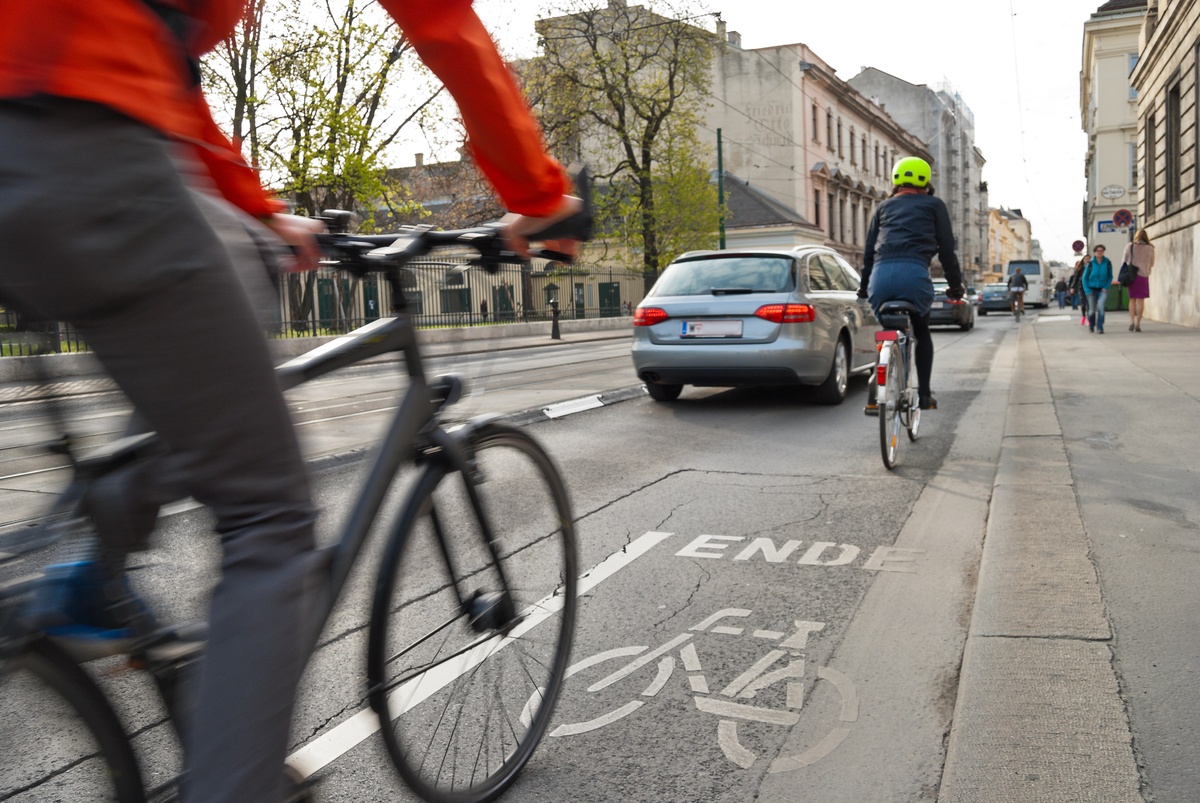
Some cycling infrastructure is poorly placed. Painted bike lanes in the car door swing zone are still common in older layouts. Blind corners exist at alley mouths. Intersections without physical separation create conflict points where a straight moving rider is placed inside a turning path. That is why protected bike lanes produce lower injury rates. They remove the conflict geometry rather than trying to fix it with signs.
Legal Rights Every Cyclist Should Know in Case of a Crash
After a crash, evidence matters more than emotion. Insurance adjusters do not guess based on sympathy. They look at right of way, time of impact, angle of approach, and physical proof. Understanding bike crash liability is not cynical. It protects you from losing the legal ground you are entitled to. Calling the police is not dramatic. A police report cycling file is a reliable reference point. It is a timestamp, not an argument.
What To Do After a Collision With a Motor Vehicle
If you are involved in a collision, avoid making statements that sound like acceptance of fault. Do not apologise or fill silence with nervous talk. Exchange the driver’s full details calmly, including vehicle registration, location, and time. Take photographs of the final position of the bicycle and the vehicle before they move. If there are witnesses, collect their contact information. This helps later if accounts differ.
For expert guidance and to understand your compensation options, professional Bicycle Accident Lawyers can help document damages properly and protect your rights in the claims process.
Traffic Positioning That Makes Riders Safer and More Predictable
Road position makes you more visible and more expected. Many instructors call this technique take the lane or primary position cycling. If a lane is too narrow to share, the rider should claim space, not squeeze between danger and steel. Safety here is not arrogance. It is clarity.
Do / Don’t positioning cues that help:
- do ride where drivers already look
- do hold a straight line at a steady pace
- don’t skim between cars and parked doors
- don’t creep up the inside of large trucks at junctions
Safer Behavior at Intersections
Junctions are where chaos concentrates. A left-turn crash happens fast because the rider moves straight while the driver rotates. A driver sees an empty gap, assumes it stays empty, and swings across. Junction safety depends on one thing: be seen before the driver makes the decision. Slow slightly before the intersection, place yourself where mirrors and eyes naturally fall, and keep your hands where drivers can see them.
Visibility Choices That Cut Crash Risk Nearly in Half
Visibility is one of the simplest ways to lower risk. Lights work even in sunlight. Many safety researchers now recommend bike lights daytime. A strong white front and strong red rear help break through glare, low winter sun, and reflective backgrounds. Bright clothing helps. Reflective stripes help. But lights are the biggest upgrade per gram and per dollar. They turn you into a signal, not a shadow.
Making Yourself Easier to See in Mixed Traffic
Human eyes are drawn to motion. Reflective ankle bands move with each pedal stroke, which gives the brain more data than a static vest. Pedal reflectors visibility also adds a rhythmic flash that drivers detect even without conscious intention. Cyclists are not always “seen” because drivers are not scanning for bicycles. They are scanning for big threats. Moving light forces recognition.
Bikes, Tires, and Brakes That Prevent Emergencies Before They Happen
A bicycle that steers and stops predictably gives you power to prevent trouble before it becomes unavoidable. A regular bike maintenance checklist does not require technical training. You do not need to strip the bike to pieces. You only need small routine checks that keep handling sharp and braking direct. This habit alone prevents many silent failures, including the classic low tire pressure crash that begins with vague cornering.
Four mechanical checkpoints that matter:
- seasonal tire pressure for load and surface
- brake pad bite and alignment
- smooth bar rotation without stiffness
- wheel security at both axles
Tire Choice and Air Pressure
Tires lose air slowly as a normal process. A few PSI lost each week can turn your steering vague and slow. Underinflation also makes the rim hit the tube on sharp bumps. This pinch-flat event often happens at speed, and the sudden loss of stability can throw a rider off line in an instant. Grip is not just rubber. It is pressure plus geometry.
Simple Moves to Limit Injury When a Crash Is Unavoidable
Some events cannot be avoided. A pedestrian can step out. A driver can cut across. When you feel impact is coming, reducing face exposure is priority. Chin down, shoulders forward, eyes open, bars straight. A helmet must sit correctly on the forehead, not tilted back. Proper helmet placement front impact is more important than price. Fit is the real safety technology.
Protective Gear That Actually Helps in Real Traffic
Gloves reduce palm injury. Glasses keep grit out of the eyes so vision does not shut down at the wrong second. A basic helmet with correct straps is better than an expensive helmet that is loose. Clothing should be chosen for movement and clarity, not trend. The goal is not to look like a pro. It is to come home in one piece.
Final Thoughts
Most bicycle accidents happen because people did not see each other early enough, or they gave each other too little space, or small mechanical issues made the bike harder to handle in a tight moment. Smart visibility habits, calm lane placement, and simple checkups go far. Cycling becomes safer when riders act like participants with agency, not passive passengers on two wheels.