
Today, you can often hear people discussing important topics such as climate change, urban air pollution and sustainability. While these terms have always been talked about, it seems we’ve only started realizing their importance in the last couple of years.
And why is that, you’re probably wondering. Well, it’s due to the fact that some people have finally become more aware of the problem. Additionally, air and noise pollution have never been higher than today.
Naturally, eliminating pollution completely and changing all of our habits overnight is next to impossible. But, small steps can take us a long way. The main cause of pollution is traffic congestion and the number of vehicles on the road. To combat that, we could turn to other methods of transport such as walking or cycling if we need to reach some destinations not so close by.
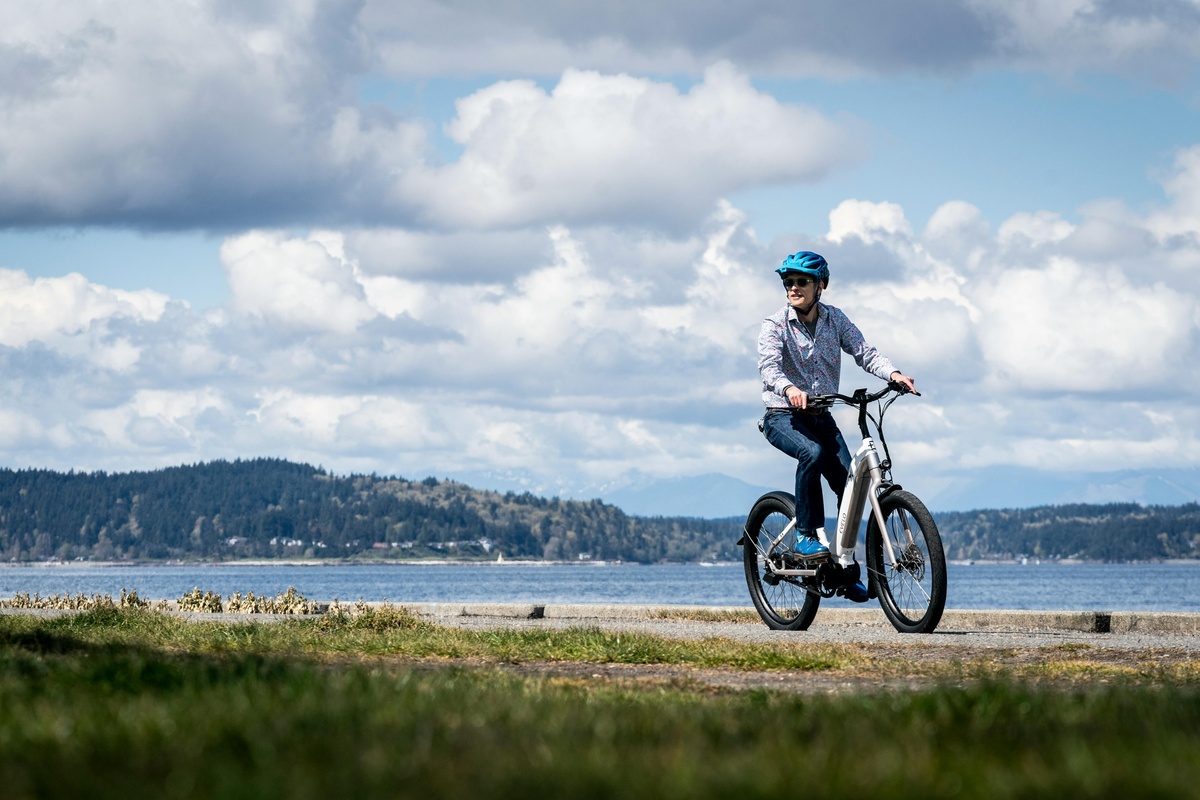
Cycling is extremely good not just for the environment but for us as well as it activates all the important muscles and also improves our mental health. But even with all of these advantages, people are still hesitant to take up cycling.
Below, we’ll take a closer look at why cycling is one of the best things we can do for the environment but we’ll also examine the reasons keeping people from picking up cycling more frequently.
In This Article:
The benefits of cycling for our health
A large number of people in the US lead quite a sedentary lifestyle and get very little to almost no exercise. With remote work, many people tend to stay at home and not even go outside. On the other hand, people who drive to work, spend their entire day sitting in an office and are too exhausted to exercise or go to the gym after work.
That’s where cycling steps in. As many are not a fan of the gym, cycling can be a much better alternative. Also, if you work nearby, you can also cycle to work. It drastically lowers the risk of developing a cardiovascular disease or cancer. And if that isn’t a good enough reason, then we don’t know what is.
Why people are reluctant to take up cycling
As mentioned, even with all the advantages of cycling, people are still reluctant to take up cycling as a primary method of transport. The main reason for that is that most cities in the US still lack the proper infrastructure for cycling. Some cities have hardly any bicycle lanes, which means cyclists need to share the road with drivers, making them vulnerable to incoming traffic.
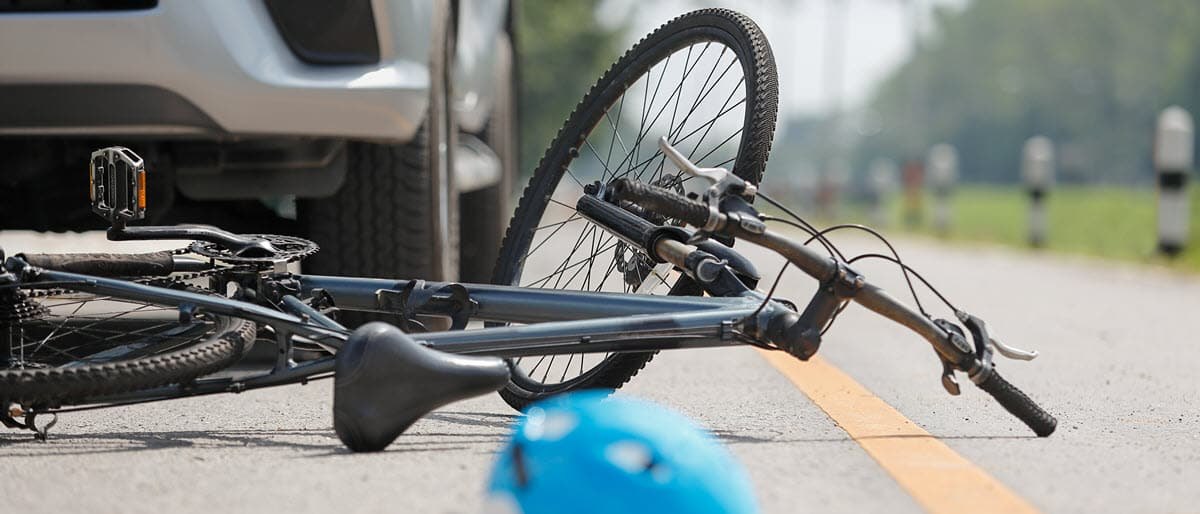
Bicycle accidents are known to occur and they usually have devastating consequences for the injured party. Imagine being a cyclist hit by a large car or semi truck—chances are, you definitely won’t be getting away with merely a scratch.
In case of bike accidents, cyclists need to be aware that they have the right to contact a bicycle accident law firm in case they can’t deal with the legal process all on their own. An expert might help break down the process and also negotiate with insurance companies.
Bicycles as a sustainable method of transport
In the next paragraphs, we’ll list the advantages cycling has for the environment.
1. Zero emissions, zero guilt
Unlike cars, motorcycles, and even buses, bicycles emit absolutely no greenhouse gases when in use.
Every kilometer pedaled is a kilometer without carbon dioxide, nitrogen oxides, or other harmful pollutants being released into the atmosphere. In fact, studies show that switching from driving to cycling for short trips could reduce CO₂ emissions by up to 67%.
Additionally, with cycling, noise pollution is no longer a problem. Unlike motor vehicles, bikes operate silently, contributing to more peaceful, less stressful urban environments.
2. Energy efficiency at its best
The bicycle is one of the most energy-efficient machines ever invented. What does that mean exactly? It means that we can, using solely our energy, cross long distances. That’s what makes cycling a better option than walking in situations when you have to cross long distances.
3. Minimal resource use
Building and maintaining a bicycle requires a fraction of the materials and energy needed to produce a car or even a public bus. Bikes take up less road space, require fewer raw materials, and produce minimal waste over their lifetime.
Also, they’re quite easy to park and many cities now have dedicated parking spaces only for bikes, which means you can easily leave your bike in the street and not worry about it getting stolen.
5. Promotes health
As said, cycling is one of the healthiest forms of transport. It promotes active transportation, which means you’re getting exercise while getting around.
It lowers the risk of obesity, heart disease, diabetes, and other chronic illnesses.
A healthier population means lower public healthcare costs, less strain on hospitals, and a better quality of life for all.
6. Accessible and affordable
A bicycle is affordable to most people compared to cars or even regular public transit expenses. It’s a highly inclusive form of transport, especially in developing countries where access to public transport may be limited.
And with the rise of bike-sharing programs in many cities, cycling is becoming even more accessible to everyone. Apart from your bike and a quality helmet to keep you safe, there really isn’t that much you need. You can, of course, always invest in additional equipment if you find it necessary but apart from a helmet, it’s not mandatory.
The final word
While no single solution will solve our climate and urban challenges overnight, cycling is a simple, immediate, and powerful step in the right direction. It’s not just about reducing emissions and noise pollution, it’s about changing the mindset and promoting a healthier lifestyle and building a community of cyclists that will spread awareness about the issue of air pollution.
However, it’s also necessary that cyclists feel safe and help dedicated bike lanes can be a big stride in a good direction.
So whether you’re commuting to work, running errands, or just enjoying the ride—every time you choose a bike, you’re choosing a better future.