Choosing appropriate bicycle parts can distinguish between an average journey and an outstanding cycling adventure. Whether you’re replacing deteriorated components or assembling from the ground up, recognizing excellence indicators in each part assists you in making informed buying choices. The essential factor is aligning component standards and characteristics with your particular cycling requirements, financial limits, and performance goals. Superior parts not only improve capability but also deliver enhanced longevity and sustained worth for your expenditure.
Frame
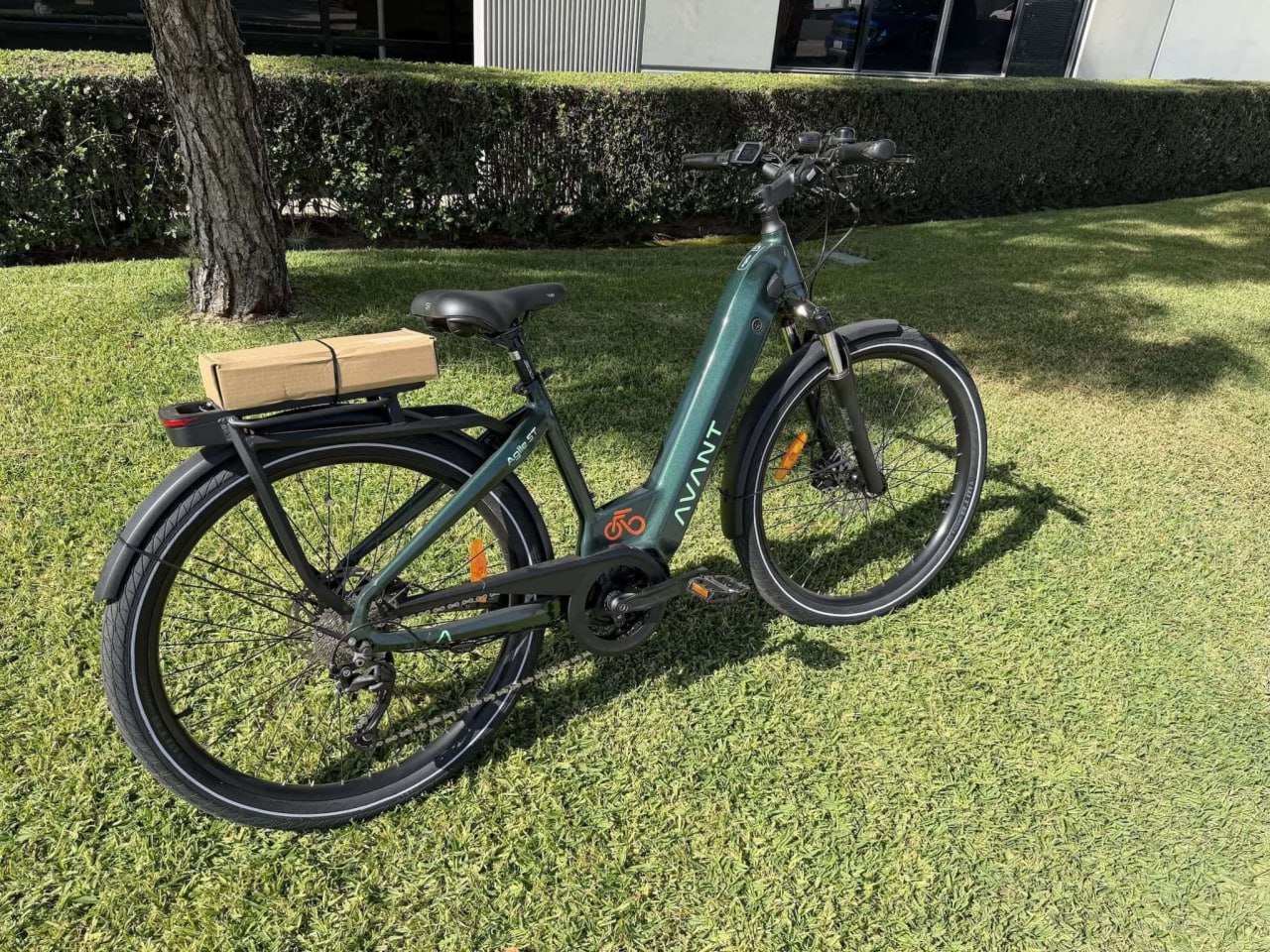
Frames function as bicycle structural foundations influencing handling characteristics and comfort. Steel frames provide durability and smooth riding qualities. This makes them suitable for touring and commuting applications. They offer repair simplicity though weighing more than alternatives.
Aluminum frames balance weight, rigidity, and affordability, creating popularity for road and mountain cycling applications. Carbon fiber frames provide minimal weight and allow specific ride characteristic engineering, though requiring premium investment and careful handling.
When assessing frame quality, inspect joining areas for consistency and refinement. Quality frames feature precise alignment, appropriate cable routing, and suitable geometry for intended applications.
Braking System
Braking systems directly influence cycling safety and control. When evaluating disc brakes vs rim brakes, each system presents distinct benefits. Disc brakes
- Deliver superior stopping capability during wet conditions
- Improve heat dispersion during extended descents
- Eliminate rim wear
They provide particular advantages for mountain biking, loaded touring, and variable-weather riding. Rim brakes, offering reduced weight and simpler maintenance, provide sufficient stopping capability for most road cycling applications with lower investment.
Quality brake components feature smooth operation, consistent engagement, and durable materials. Select brake pads manufactured with appropriate compounds matching riding conditions, while ensuring proper brake cable or hydraulic line routing and maintenance.
Drivetrain
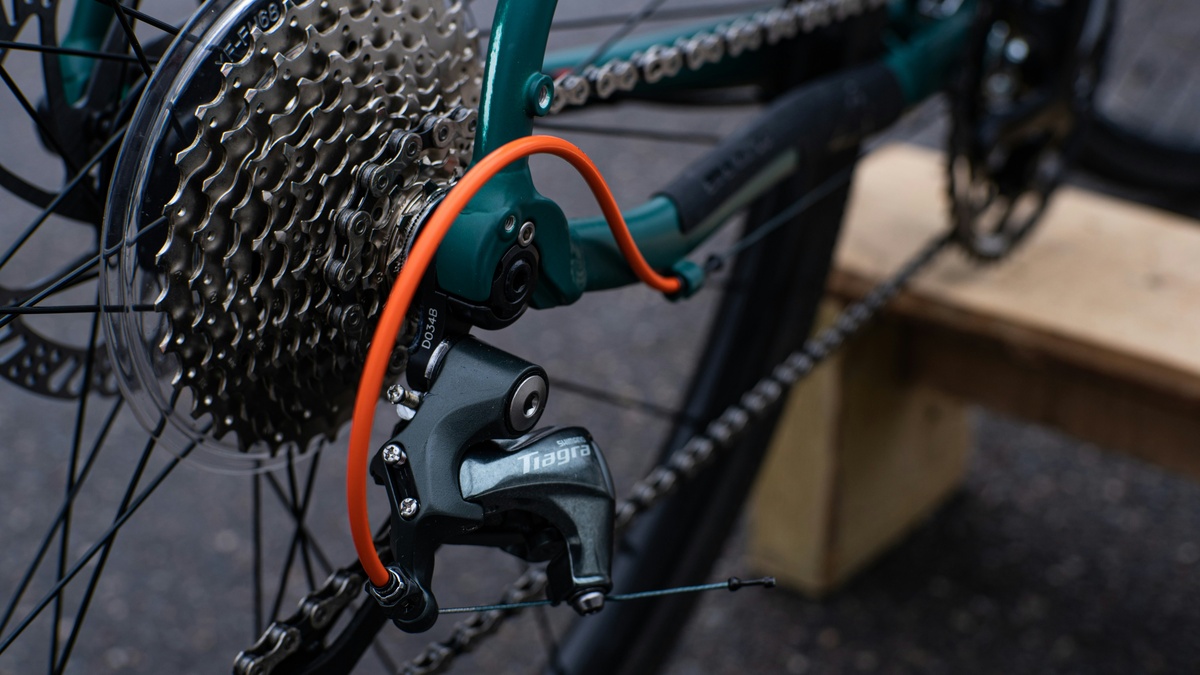
The power transmission system transforms your pedaling energy into forward movement, making it essential for capability and effectiveness. A superior transmission system provides accurate gear changes, seamless energy delivery, and durable parts. The gear count should correspond to your riding conditions and physical condition; additional gears aren’t necessarily advantageous if they’re unnecessary.
Chain construction substantially affects transmission system function. High-end chains utilize stronger materials and stricter production standards, producing smoother gear transitions and extended service life. The gear cluster and front rings should incorporate resilient materials such as steel or premium aluminum. Gear-changing mechanisms demand exact engineering and calibration to provide sharp, dependable shifts during exertion.
Wheelset
Wheelsets substantially impact acceleration, handling characteristics, and riding quality. Quality wheels incorporate properly tensioned spokes, accurate alignment, and smooth-operating bearing hubs. Rim profile influences aerodynamics and handling; deeper profiles improve aerodynamic efficiency, creating crosswind control challenges.
Hub quality determines rotation smoothness and longevity. Quality hubs incorporate precision bearings, whether sealed cartridge or adjustable cup-and-cone designs. Spoke quantity affects wheel strength and weight, increased spoke counts generally provide stronger wheels, while reduced spoke quantities decrease weight while improving aerodynamics.
Weight
Component weight substantially influences bicycle acceleration, climbing efficiency, and handling characteristics. Reduced component weight decreases energy requirements during acceleration and climbing, creating more efficient and enjoyable riding experiences. However, weight reduction frequently compromises durability or increases costs, necessitating careful priority evaluation.
Rotating weight, present in wheels, tires, and drivetrain components, creates a more significant performance impact than static weight within frames or support components. When prioritizing weight considerations, focus initial upgrades on rotating components. Consider that extremely lightweight components can sacrifice durability for weight reduction, making them appropriate for competition applications but problematic for daily transportation or touring, where reliability remains essential.
Endnote
Purchasing superior bicycle components yields benefits in capability, dependability, and cycling satisfaction. Concentrate on parts that align with your riding approach and emphasize excellence in areas that impact safety and essential operation. The costly components aren’t necessarily the optimal selection. Choose parts that provide the appropriate combination of performance, longevity, and worth for your particular requirements.