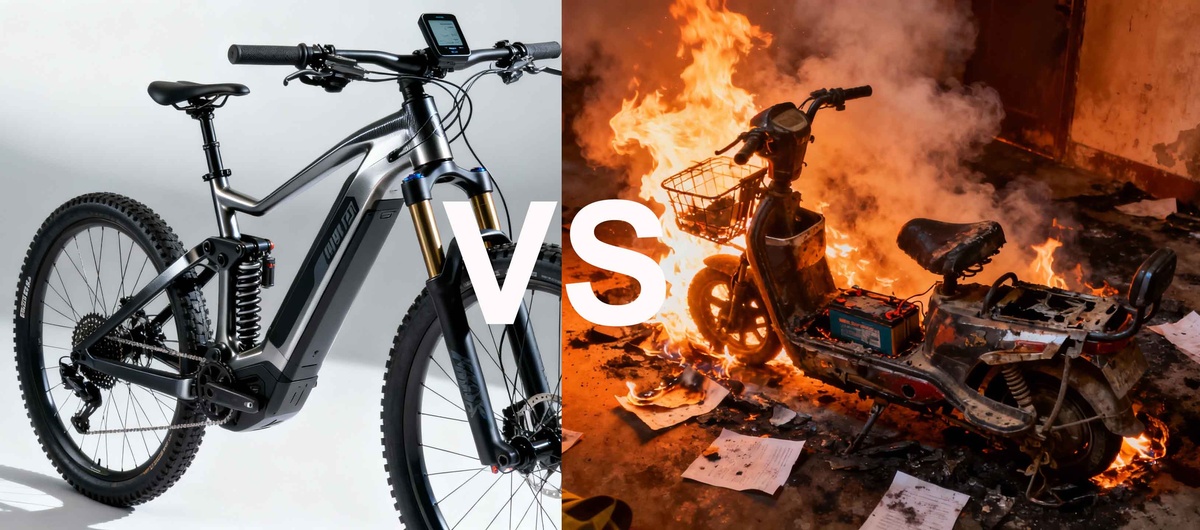
Electric bikes are becoming increasingly popular due to their convenience, comfort, and efficiency, especially for commuting and long-distance rides. However, their higher cost can be a barrier for many buyers. To attract customers, some sellers have introduced low-priced e-bikes, but the question remains: are these cheaper models truly reliable and safe?
In This Article:
E-bikes vs Pedal Bikes — Comfort Is Obvious, But So Is the Price
The comfort and convenience of electric bikes are undeniable. With motor assistance and advanced battery systems, e-bikes make commuting effortless and enjoyable, especially on long rides or uphill roads. However, this convenience often comes at a noticeably higher cost.
According to market research, the average e-bike can cost three to five times more than a regular pedal bicycle. In Europe, the gap is similarly wide — electric bikes are generally several times more expensive than conventional bicycles. This significant price difference explains why many potential riders still hesitate to switch, even though e-bikes offer a far more comfortable and efficient riding experience.
The total cost of an electric bike can vary widely depending on factors such as motor power, battery capacity, frame material, brand reputation, and additional features. Entry-level models are usually several times more expensive than standard bicycles, while high-end e-bikes — equipped with high-performance motors, long-range lithium batteries, and premium components — can reach prices comparable to small motorcycles.
This variation mainly stems from the battery quality, motor efficiency, suspension system, and advanced electronics like display panels and smart connectivity. These differences explain why even within the e-bike category, prices can range from modest to premium levels, reflecting both performance and durability.
Electric Bike Structure: A More Complex System Than Traditional Bicycles
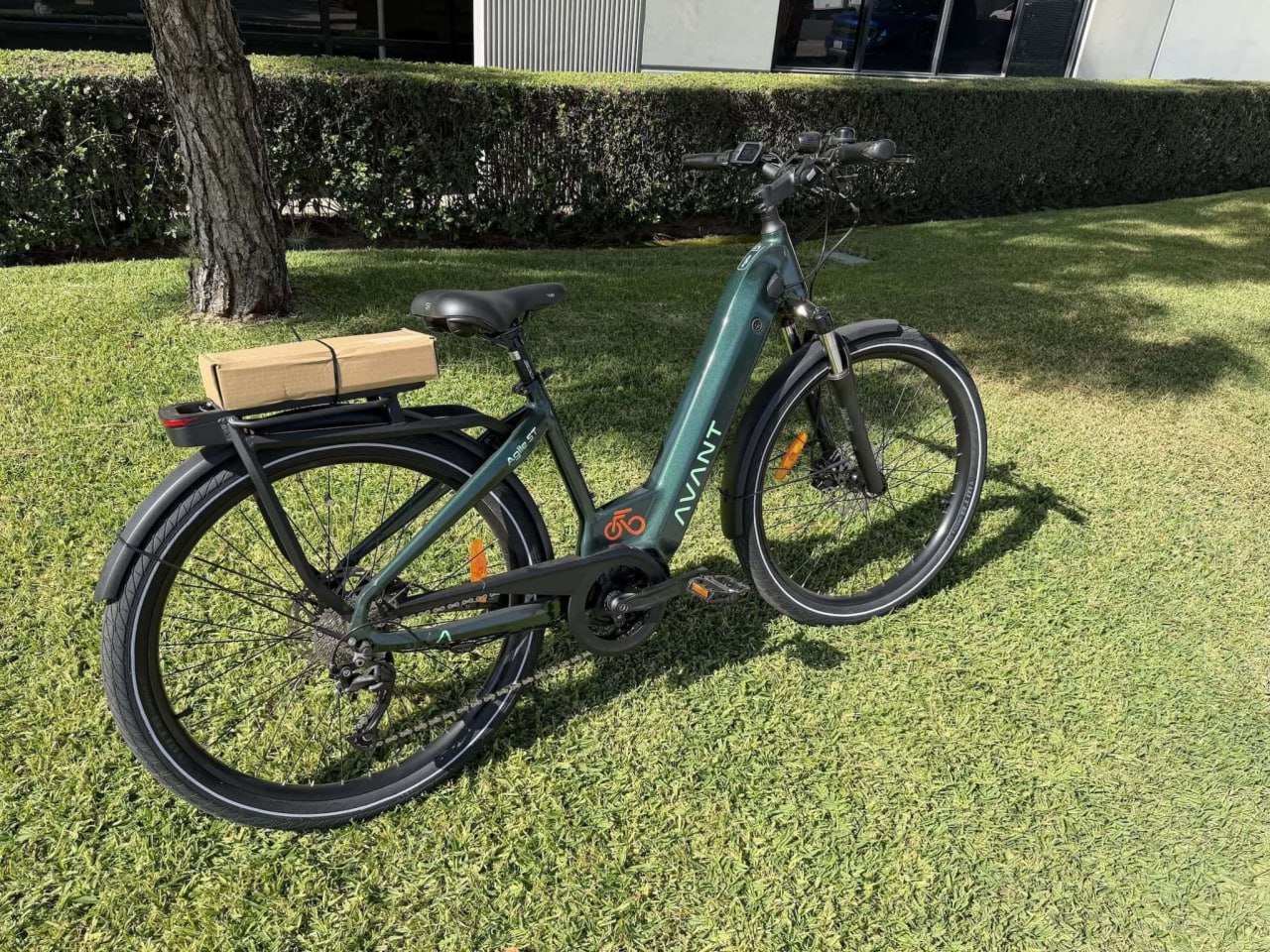
Electric bikes are built with a far more complex structure compared to traditional pedal bicycles. While a conventional bike mainly consists of a frame, wheels, drivetrain, brakes, and steering components, an e-bike adds several critical and high-value electronic systems that significantly impact performance—and cost.
An electric bike typically includes the following key components:
- E bike Battery
The most expensive single component on an e-bike. High-capacity lithium battery packs determine range and performance, and often account for 30–40% of the bike’s total cost. - Electric Motor
Usually mounted in the hub or mid-drive position. It provides pedal assistance, improves climbing power, and greatly enhances riding comfort. Mid-drive motors from brands like Bosch, Shimano, or Bafang are especially costly. - Controller
The “brain” of the e-bike. It manages electricity flow between the battery and motor, ensures efficiency, protects against overheating, and allows different riding modes. - Sensor Systems
Such as torque sensors or cadence sensors. Torque sensors, in particular, provide smoother and more natural pedal assistance but are significantly more expensive. - Display & Smart Electronics
LCD or LED displays show speed, battery level, power mode, and diagnostics. Higher-end bikes may include Bluetooth, GPS tracking, app integration, and advanced firmware. - Reinforced Frame & Components
E-bikes require stronger frames, upgraded brakes, thicker wiring, and heavier-duty drivetrains to support motor power and extra weight.
Ebike Battery: The Most Special and Important Part of Your Electric Bike
When it comes to electric bikes, the ebike battery is undoubtedly the most critical component that determines performance, safety, and overall cost. Cutting corners on battery quality can lead to serious consequences — including fire hazards and even explosions. In fact, several well-known electric vehicle brands have experienced such incidents, proving how dangerous low-quality lithium batteries can be.
In most modern ebikes, the power system relies on a lithium battery pack. While some riders try to save money by choosing cheaper options, these batteries often come with hidden safety risks.
Beyond safety, battery quality also affects reliability. Low-grade cells tend to degrade quickly, causing power drops, charging issues, or complete failure. In many cases, repairing such batteries is meaningless — the only solution is replacement.
Moreover, the e-bike battery is usually the most expensive part of the entire ebike. Some professional riders even invest more in the battery than in the bike itself to achieve higher capacity, longer range, and stronger power output. This explains why premium ebikes are so costly — a quality battery makes all the difference.
Cheap E-Bikes Often Cost More in the Long Run
“How much is a cheap electric bike?” The desire for a cheap electric bike often turns out to be a costly mistake. While the high price of e-bikes remains a major barrier for many potential buyers, choosing a low-cost model can lead to even greater expenses over time. Because electric bikes have a much more complex structure than regular pedal bicycles, using inferior materials or poorly designed components can cause frequent breakdowns and safety issues. Unlike traditional bikes, which are mostly mechanical, e-bikes rely on electronic systems that require precision and durability.
According to a 2024 Consumer Reports e-bike report, over 38% of low-cost e-bike owners experienced a major malfunction within the first year of use, compared to just 12% of mid- to high-end e-bike users. The most common issues include:
- Battery failure or short lifespan (26%) — often caused by poor-quality lithium cells and inadequate battery management systems.
- Motor malfunction (18%) — overheating, power loss, or noise due to cheap motor designs or weak magnets.
- Controller or wiring failure (15%) — especially in rainy or humid environments, where low-end connectors and wiring lack waterproof protection.
- Brake or drivetrain wear (12%) — resulting from undersized components not designed for the added torque of an e-bike motor.
In short, while a low-priced e-bike might seem like a bargain, it often comes with hidden costs in the form of repairs, replacements, and reduced lifespan. Investing in a quality e-bike not only ensures safety and comfort but also delivers better long-term value.
How to Choose a High-Quality Ebike
When selecting an electric bike, it’s crucial to look beyond the initial price and focus on overall quality, brand reputation, and after-sales support. A trustworthy e-bike brand prioritizes premium materials, rigorous testing, and attention to detail across all components, ensuring the bike performs reliably under different conditions. In contrast, low-cost manufacturers often cut corners on critical parts, resulting in components that wear out faster and may compromise safety. These cheaper bikes may look appealing on the surface, but their long-term durability is usually questionable.
Before making a purchase, carefully examine whether the core components — such as the motor, battery, controller, frame, and drivetrain — come from reputable industry brands or suppliers. High-quality parts are designed to deliver consistent performance, longer lifespan, and better safety compliance. Additionally, consider the overall build quality, including the welding, frame reinforcement, suspension system, brakes, and wiring, as these often determine how well the bike can handle daily use or heavier loads.
It’s also important to evaluate the manufacturer’s warranty and after-sales service. Reliable brands stand by their products, offering long-term warranties, replacement parts, and responsive customer support. A transparent service policy indicates confidence in the bike’s durability and reduces potential stress for the rider over time.
Finally, be cautious of e-bikes priced significantly lower than average. While they might seem like bargains, these models often hide higher long-term costs in maintenance, repairs, and replacements. Choosing a high-quality e-bike is an investment in safety, reliability, and overall riding satisfaction, providing peace of mind and a more enjoyable cycling experience for years to come. Prioritizing durability and performance over upfront savings will almost always prove to be the smarter decision in the long run.
Conclusion
In summary, the overall quality of an electric bike plays a crucial role in ensuring safety, reliability, and a satisfying riding experience. From the frame and motor to the suspension system and electronics, every component contributes to the bike’s performance and longevity. Investing in a well-built, reputable e-bike can prevent frequent malfunctions, reduce maintenance costs, and provide peace of mind for daily commuting or long-distance rides. Riders should always prioritize trusted brands, proven components, and reliable after-sales support over low initial costs, as cutting corners on any major part can compromise both safety and enjoyment. High-quality e-bikes may require a higher upfront investment, but the long-term benefits in durability, performance, and rider confidence make it well worth the cost.