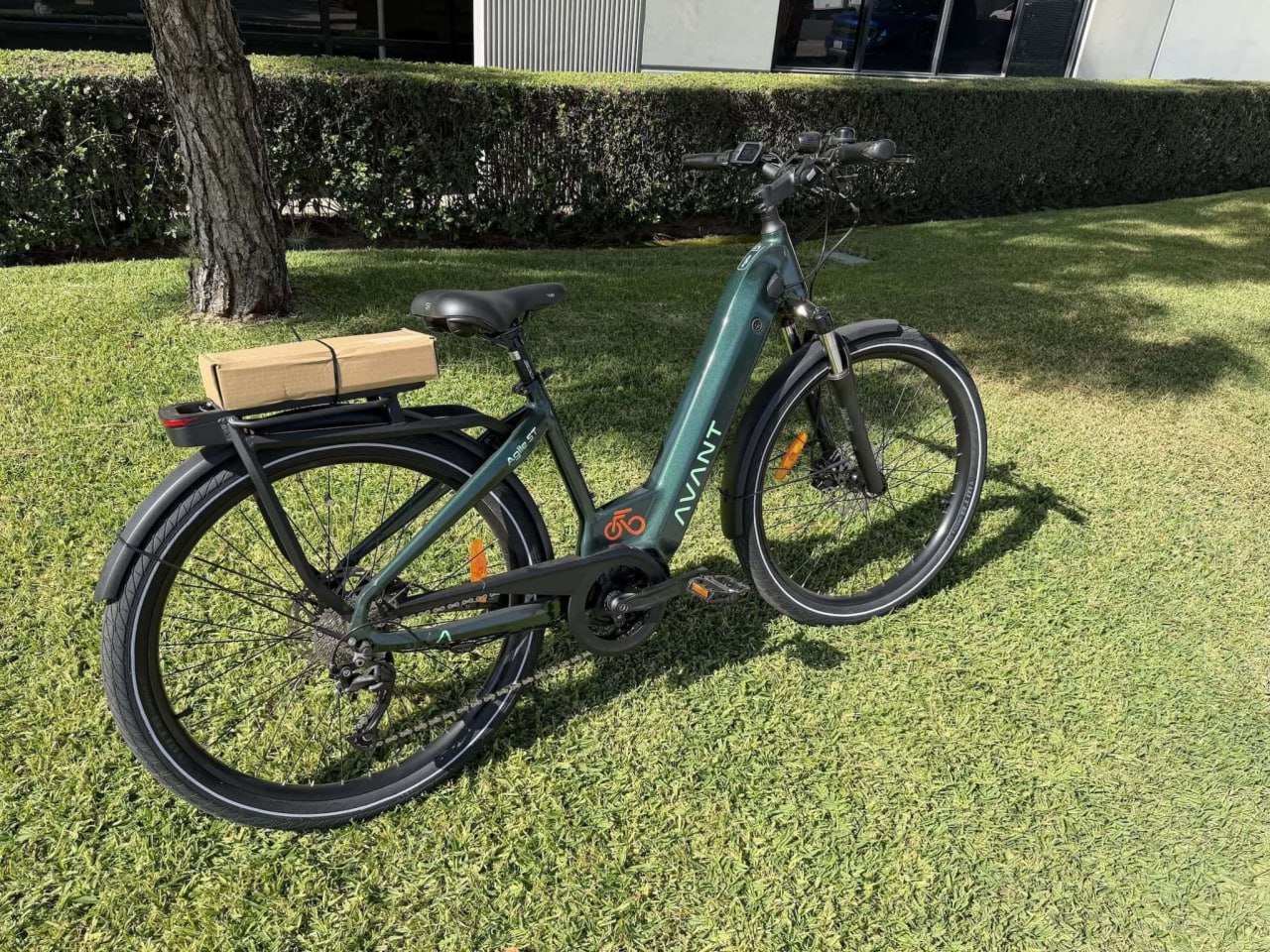


Do you wish your bike stayed in better shape without needing constant repairs? Taking care of your vehicle—whether it’s a car or a bike—doesn’t need to be expensive or hard. Simple daily habits can make a big difference in how long your bike lasts. Whether you’re riding to school, work, or just for fun, these small steps can keep your ride smooth and reliable for years.
In this blog, we will share everyday habits that can help your vehicle last longer and save you money on repairs and replacements.
In This Article:
Clean and Lube Your Bike Chain Regularly
Keeping your bike chain clean and well-lubricated is one of the easiest ways to make it last longer. Your chain goes through a lot—dust, dirt, rain, and sweat can all wear it down over time. If you don’t clean and lube it regularly, it will stretch and damage the gears. That means you’ll need costly repairs or replacements sooner than expected.
You should wipe down your chain weekly if you ride often and apply a bike-specific lubricant. Don’t overdo it—too much oil attracts dirt. Use a dry lube in sunny weather and a wet lube when it’s rainy or muddy.
Ride Smoothly and Drive Safely
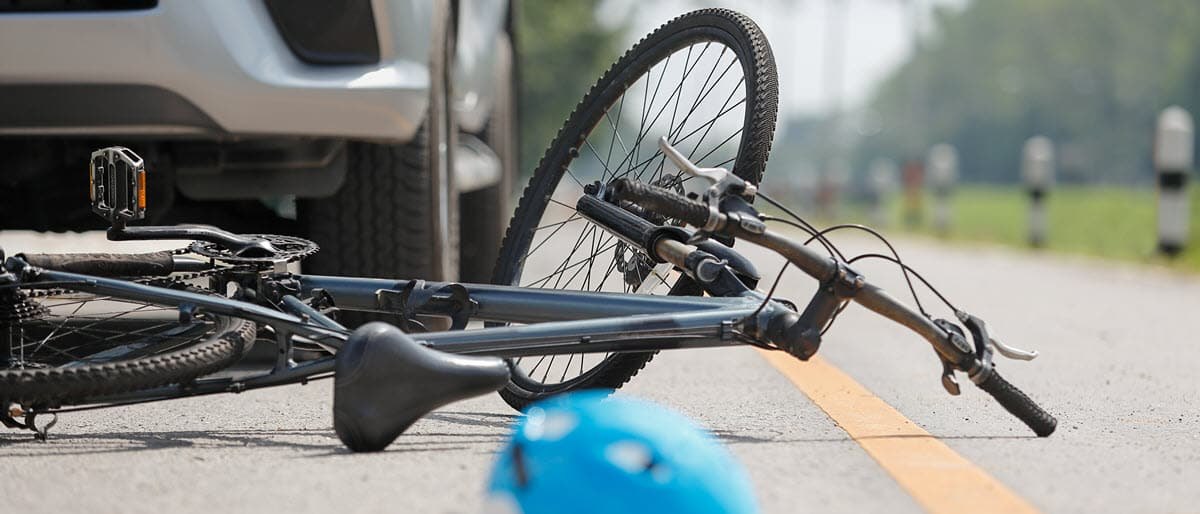
The way you ride your bike affects how long it stays in good shape. If you slam on the brakes or ride into curbs or potholes, your tires, wheels, and frame can get damaged. Riding smoothly helps protect your parts. Try to avoid sudden stops, fast starts, and hard turns. Watch the road ahead so you can steer around sharp objects and bumpy areas.
Even if you ride a bike most of the time, many people still use a car now and then. If that’s the case, smooth driving habits can help your car, too. In fact, safe driving could make you eligible for car insurance online. Many insurance companies reward good driving records. So, whether you’re on two wheels or four, being a careful rider or driver really pays off.
Check Tire Pressure and Condition Frequently
Your bike tires go through a lot each time you ride, and they need the right amount of air to perform well. If they’re underinflated, they can wear out faster and cause you to use more effort while pedaling. Overinflated tires can feel bumpy and are more likely to burst if you hit something sharp. Riding with the wrong pressure is risky and shortens your tire’s lifespan.
Check your tire pressure once a week, or before every long ride. Use a basic tire pressure gauge, and find the recommended PSI on the tire’s sidewall. You should also check for cracks, glass, or sharp debris that may be stuck in the tread. A few quick checks can help prevent flats, give you a smoother ride, and save you from replacing your tires too soon.
Schedule Tune-Ups and Do Basic Inspections
Even if your bike feels fine, regular tune-ups help catch problems early. A bike shop can tighten loose parts, check your brake system, adjust your gears, and look for signs of wear. Getting a tune-up once or twice a year is a smart habit that can prevent costly repairs later on. Think of it like a check-up for your bike’s health.
Between tune-ups, you can do quick checks at home. Spin the wheels to make sure they aren’t wobbling. Squeeze the brakes and see if they stop you quickly. Look at your cables and brake pads for wear. These small checks take only a few minutes but help keep your bike in top condition. The more attention you give it, the longer it will serve you.
Wipe Down Your Bike After Rainy or Dusty Rides
After riding through rain, mud, or dusty streets, your bike collects grime that can damage its parts. Wet conditions can lead to rust, especially on your chain, gears, and bolts. Dirt buildup can also block moving parts, causing them to wear out faster or perform poorly. Wiping your bike down after each messy ride is a simple way to protect it.
Use a soft cloth and water to clean off the frame and components. Dry it off with a clean towel, and pay extra attention to the chain and brake areas. You don’t need fancy tools—just a few minutes and a little care. Keeping your bike clean helps it stay safer, smoother, and ready to ride anytime without problems.
Store Your Bike Properly
Where you keep your bike matters. Leaving it out in the sun, rain, or snow can cause serious damage over time. Sunlight can fade paint and weaken rubber parts. Rain causes rust. Cold weather can affect tire pressure and freeze cables. All of this makes your bike wear out faster, and you’ll spend more money fixing it later.
If you have space, keep your bike indoors or in a covered spot like a garage or shed. Use a bike cover if you have to store it outside. Try not to lean it against rough surfaces or keep it where it cannot fall. A stable, dry, and clean space keeps your bike safe from weather damage and accidents when it’s not in use.
Don’t Ignore Strange Sounds or Changes in Performance
If your bike starts making new noises or doesn’t feel right, don’t brush it off. Clicking, grinding, or squeaking could be signs that something is loose, dirty, or broken. Strange feelings in the brakes or pedals may mean parts are wearing down. Ignoring these signs usually leads to bigger problems that cost more to fix.
Take time to notice how your bike normally feels so you can spot changes early. If something feels off, stop and take a closer look. Sometimes all it takes is a small adjustment or some cleaning. But if you’re unsure, ask a bike mechanic. Fixing issues early helps avoid bigger repairs and keeps your rides safe and smooth.
In conclusion, your bike is more than just a way to get around—it’s a vehicle that needs care to stay reliable. By building small habits like cleaning the chain, checking tire pressure, and paying attention to signs of wear, you can enjoy smoother rides and fewer breakdowns. These habits don’t take much time, but they have a big impact on how long your bike stays in good condition.