Building a club that lasts takes more than showing up for the same Sunday spin. It starts with a clear sense of who you are as a group and a promise to look out for one another. Even the small things matter—friendly check-ins, names remembered, a quick hello at the start—so every rider feels welcome from day one.
When your identity is clear, people stick around. A shared look and shared values build loyalty and a genuine community. Keep safety front and center and the admin simple, and the focus stays where it belongs: on the ride and a good experience for everyone.
In This Article:
Defining Your Cycling Club
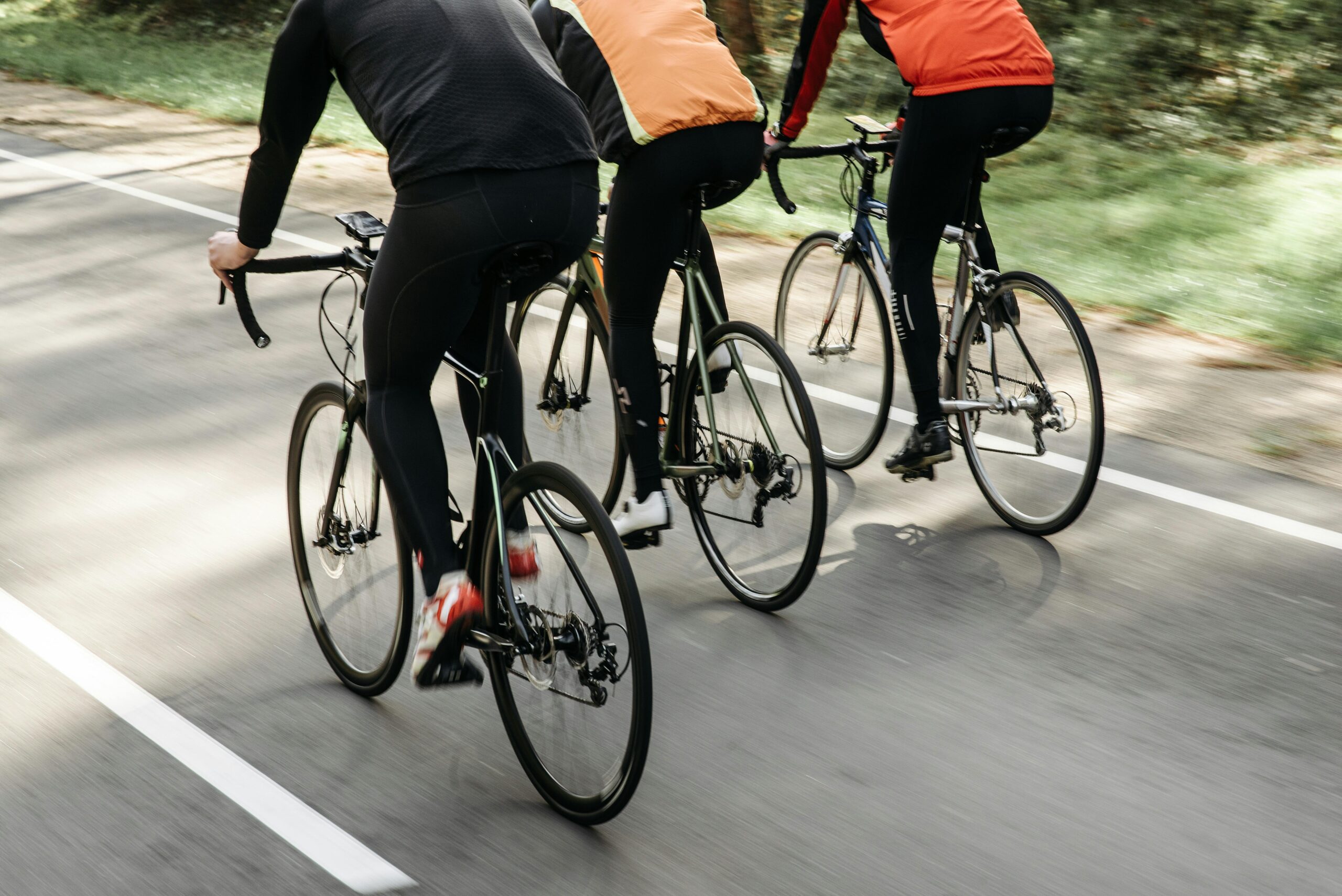
Identity shows up in the little things—how a ride feels, how newcomers are greeted, even the colors you fly on a Saturday loop. When riders rally around a few shared values and a look that feels like “us,” the group starts to gel. Think matching jerseys on weekend rides, a clean logo on the site, and simple custom-made wristbands at race tents so people can spot your crew.
A club’s personality grows in everyday moments: the pre‑ride check, a quick intro for new faces, the post‑ride coffee you never skip. With a few visual cues and consistent habits, the tone becomes naturally welcoming and team spirit sticks.
A recognizable identity makes it easier to attract new riders and keeps longtime members engaged.
Creating a Cycling Club’s Distinctive Character
Small, steady cues make the club feel cohesive on and off the road. Use these practical building blocks:
- Consistent branding across jerseys, wristbands, bikes, the website, and social posts
- A short set of shared values and ride etiquette that guides decisions and behavior
- Regular touchpoints—group rides, skills sessions, and volunteer days—that build real bonds
- Clear communication of the club’s mission and season goals in welcome kits and emails
- Traditions people look forward to—post‑ride coffee, milestone patches, an annual photo or signature ride
Strong clubs grow through big moments and small gestures alike. From the way veterans greet new riders to how the team shows up at local events, every interaction reinforces the culture.
That steady identity also opens the door for new leaders to step up and helps members feel genuine ownership of the club’s future.
Leadership That Inspires and Sustains
Strong leadership gives the club a clear structure, safe rides, and predictable operations. Leaders set the rules of the road, keep decisions transparent, and make sure every event runs to plan.
What this looks like in practice:
- A simple governance charter that defines authority, meetings, and voting
- Written role descriptions for officers, ride leaders, safety leads, and event coordinators
- A risk and safety program: route vetting, sweep assignments, incident reporting, and post‑ride checks
- Standard onboarding steps for new riders tied to waivers, emergency contacts, and ride etiquette
- Training for ride leaders (group management, radio/phone protocols, heat and weather plans)
- A published ride calendar with start locations, pace bands, and required gear
- Financial transparency: budget, dues, and vendor spend reviewed on a set cadence
- Tools that keep admin light—sign‑ups, check‑ins, and roster updates in one place
- Feedback channels with clear follow‑up so members see what changed and why
- Succession planning and a volunteer pipeline to keep roles filled without burnout
Effective day-to-day officers keep meetings short, document decisions, and close the loop on actions. The result is smoother rides, fewer surprises, and steady growth without losing focus on safety and standards.
Prioritizing Safety and Reducing Risks
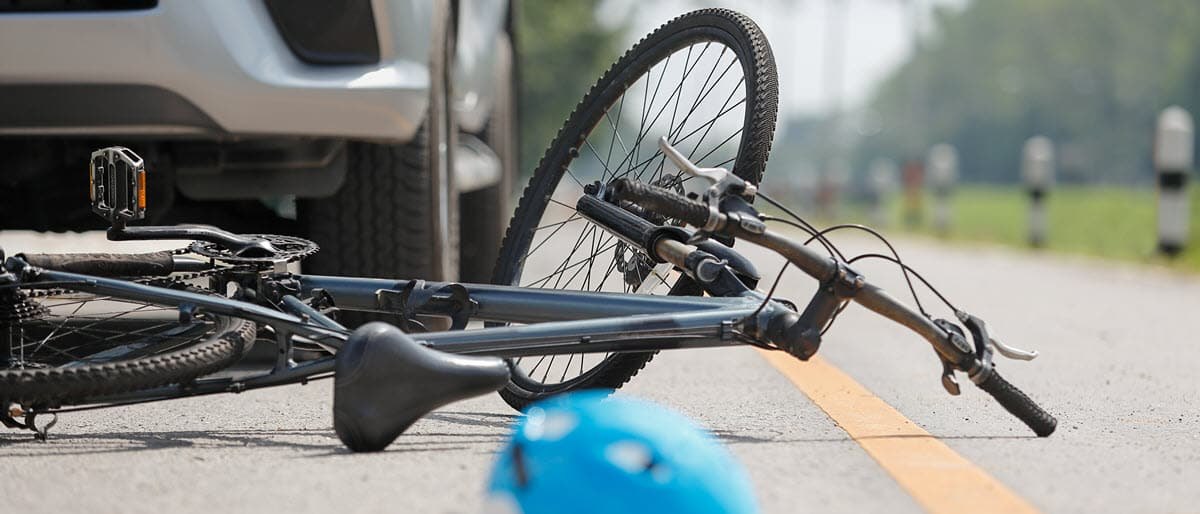
Safety is the cornerstone of any successful cycling club. Creating and enforcing strict safety guidelines isn’t just about following rules—it’s about protecting lives and building trust within the community. The stark reality is that 7,523 bicycle crashes occurred in New York State, with half of the fatalities linked to riders without helmets.
The critical importance of safety education becomes even more apparent when considering specific risk factors.
Cyclists aged 55-69 face the highest death rates, while 86% of cycling fatalities involve male riders. These sobering statistics drive home the need for comprehensive safety measures.
Here are the essential components of an effective cycling club safety program:
- Mandatory helmet policies with zero exceptions
- Regular safety briefings before each group ride
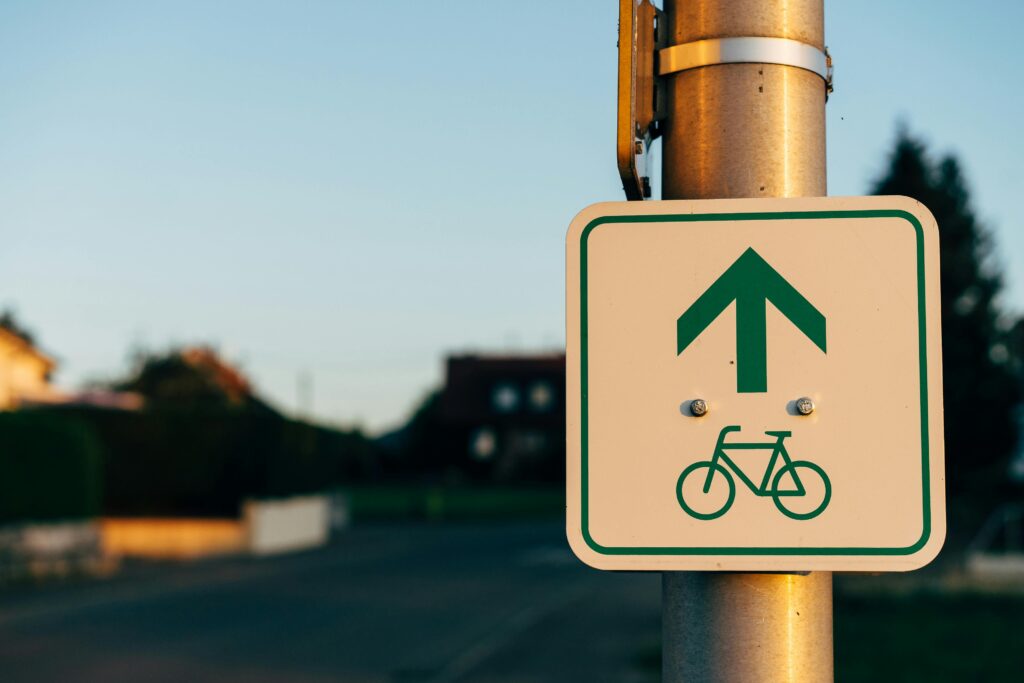
- Clear hand signals and communication protocols
- Basic bike maintenance workshops
- Weather-related safety guidelines
Implementing safety protocols with consistent follow‑through creates a ride environment where members feel secure. Regular training keeps safety in mind, and clear guidelines help new and experienced riders make good decisions on the road.
Consistency and Inclusive Rides
A steady ride calendar is the backbone of a strong club. Predictable weekly meetups help members plan and turn riding into a habit.
We offer a mix of options so everyone finds a fit—easy Sunday spins, skills clinics, and higher‑intensity training blocks with clear pace groups and distances.
Share route files, expected speeds, regroup points, and cutoffs so riders know what to bring and how to prepare. That clarity builds trust and boosts turnout for both newcomers and experienced cyclists.
Ways to make rides welcoming and inclusive:
- No‑drop options with defined regroup points and a sweep rider
- Rotating ride leaders to share responsibility and build leadership skills
- Beginner‑friendly routes with optional challenge segments for stronger riders
- Planned social stops or post‑ride coffee to strengthen connections
- A simple mentorship or buddy system pairing experienced and new riders
When inclusivity becomes routine, fast and casual riders feel equally valued. Regular feedback on routes and pace groups helps fine‑tune the calendar, keeping the club responsive and turnout strong week after week.
Preparing for Emergencies
Emergency readiness is more than basic safety rules. A clear plan and quick response let riders focus on the ride, confident that the club can handle the unexpected. Ride captains with current first‑aid training act as the first response line, coordinating care and contacting EMS when needed.
What to have in place for every organized ride:
- First‑aid kits stocked for common cycling injuries (cuts, road rash, sprains, heat issues)
- A transparent chain of command and step‑by‑step emergency call protocol
- GPS location sharing and dependable communication (phones, radios, or an agreed-upon app)
- Written incident procedures accessible to all ride leaders and sweeps
- Up‑to‑date waivers and emergency contacts for every rider
A safety‑first culture invites riders to speak up about hazards and near misses. Brief pre‑ride safety notes and open debriefs make feedback routine, and visible follow‑up shows that concerns lead to action.
When members trust the club’s emergency readiness, they stay committed, recommend the group to others, and help the community grow.
The Bottom Line
Building a thriving cycling club requires more than just organizing rides – it demands a thoughtful blend of strong identity, unwavering safety protocols, and seamless communication systems that create a welcoming environment for all riders.
Through intentional leadership, consistent safety measures, and inclusive practices, clubs can foster a thriving community where cyclists of all levels feel valued and motivated to stay engaged for the long haul.
The accurate measure of success lies in growing numbers and creating an enduring culture where every pedal stroke strengthens the bonds between riders, making each journey more meaningful than the last.